


France is currently experiencing an exceptional heat wave, comparable to the one in August 2003. Temperatures are approaching 43–44°C during the day, and nights remain surprisingly hot and humid. It is precisely at night that the problem becomes acute: inability to fall asleep, frequent awakenings, and profuse sweating. Your body accumulates a sleep debt that weakens your alertness and immunity. Fortunately, there are proven tips—recommended by the National Institute of Sleep and Vigilance (INSV) and Santé Publique France—to help you get restful nights of sleep even when the thermometer is soaring.
Understanding the Problem
Understanding Heat Waves and Their Effects on Sleep
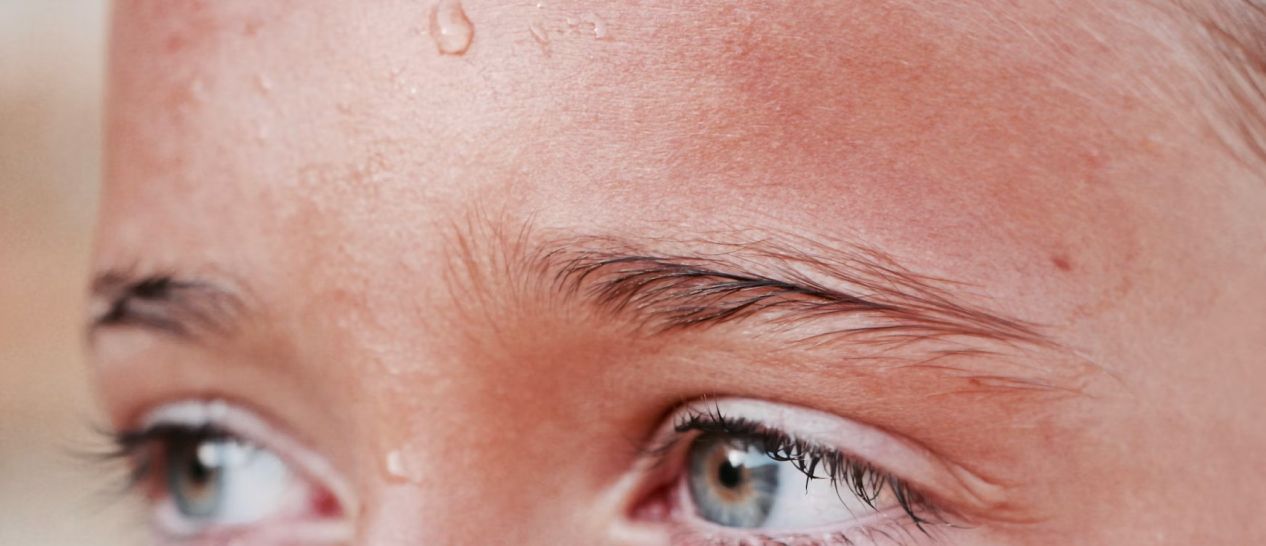
Hot Weather and Sleep Quality
During a heat wave, the temperature inside bedrooms doesn't drop enough at night. This hot, humid air prevents your body from regulating its temperature naturally. The result: difficulty falling asleep, constant brief awakenings, and shallow sleep without any deep sleep phases.
The INSV (National Institute of Sleep and Vigilance) states that the ideal bedroom temperature for an adult is between 16 and 19°C. Above 21°C, sleep quality begins to deteriorate significantly. Above 24°C, the deep sleep phases—which are essential for recovery—are reduced by 25 to 40%. During the current heat wave, reaching these temperatures without air conditioning is nearly impossible. That’s why simple steps become crucial.
Why It's Hot Night After Night
During the day, your room absorbs heat from the sun through the windows and walls. Building materials store this thermal energy. At night, instead of cooling down, the room slowly releases this stored heat. On subsequent nights, the problem worsens because the room starts at a higher baseline temperature. This cycle intensifies over several consecutive days of a heat wave.
During the current heat wave in June 2026, nighttime temperatures remain abnormally high, preventing this natural cooling process. Residents of poorly insulated homes are particularly affected: they grow increasingly fatigued each night.
The Impact of Body Temperature on Sleep
To fall asleep, your body must lower its core temperature by about 1 to 1.5°C. This is a biological mechanism: blood flows from the center of the body to the extremities (hands, feet), where heat is released through the skin into the surrounding air. When it’s too hot outside, this natural process is blocked. Your body cannot cool down.
The humid heat makes the problem even worse. Humidity prevents your sweat from evaporating effectively—and that’s your only natural cooling system. So you sweat profusely without really cooling down. The result: discomfort, waking up at night, and chronic, accumulated fatigue.
6 Tips
6 Tips for Getting a Good Night's Sleep During a Heat Wave
Tip 1: Use a fan effectively
A standard fan doesn't cool the air—it simply creates air circulation that speeds up the evaporation of your sweat. That's why a fan alone isn't enough during a severe heat wave. However, you can make the most of it.
Place a container of ice cubes or a frozen bottle in front of the fan. The air passing through the cold surface cools slightly before reaching you. The fan should not be pointed directly at you while you sleep: it creates drafts that disrupt your sleep. Angle it to circulate air throughout the room. Fans are environmentally friendly, unlike air conditioning, which consumes a great deal of energy.
INSV: The ventilator is one tool among many, not a one-size-fits-all solution.
Tip 2: Air out the room before going to bed
Between 7:00 p.m. and 10:00 p.m., the outside air gradually cools down. This is your window of opportunity. Open windows and doors wide to create a steady draft. The larger the opening, the faster the cooling. Keep this ventilation going for 30 to 45 minutes.
Once you're in bed, close the windows if the outside temperature rises or remains very high. In some cases (depending on which floor you’re on and for safety reasons), you can leave the windows slightly ajar to take advantage of the slight cooling in the early morning hours (3–5 a.m.). That’s when the outside air is coolest. Timing is crucial: ventilating at the right time maximizes cooling without increasing nighttime humidity.
Tip 3: Take a lukewarm shower before bed
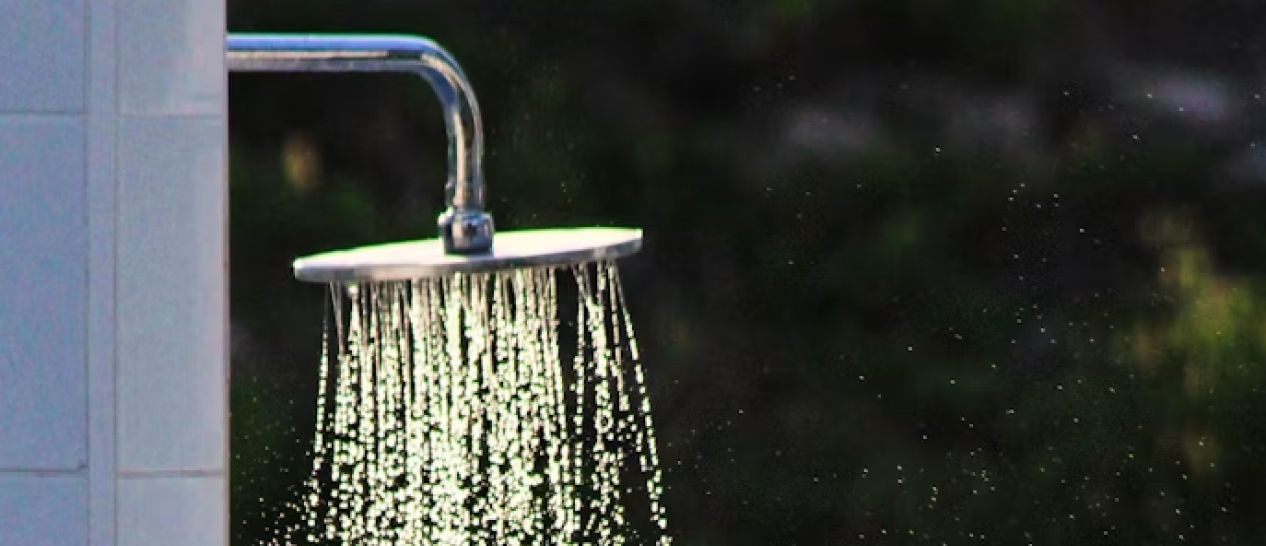
It's counterintuitive: a lukewarm shower (about 30°C) cools your body much more effectively than cold water. Why? Because very cold water triggers a reflexive vasoconstriction: your body constricts to protect its internal heat, which creates a counterproductive rebound effect.
A lukewarm shower, on the other hand, dilates the peripheral blood vessels. More blood flows to the skin, allowing for effective heat dissipation. The INSV recommends finishing with a cool (not ice-cold) stream of water on the key areas involved in thermoregulation: the back of the neck, the wrists, and the feet. These areas contain superficial blood vessels that dissipate a great deal of heat.
If you don't have an accessible shower, use a fine-mist spray bottle kept in the refrigerator. Lightly spray your legs, arms, and especially the back of your neck. Many people also keep a spray bottle near their bed: a few sprays before falling asleep can make all the difference.
INSV: Use lukewarm water with a cool finish on peripheral arteries.
Tip 4: Eat a light dinner for a better night's sleep
During digestion, your body produces metabolic heat. During a heat wave, you need exactly the opposite. A heavy meal raises your body temperature and makes it harder to fall asleep.
Opt for light, fresh meals: salads, raw vegetables, grilled fish, and fruit. These foods require less digestive effort and do not raise your core body temperature. Avoid alcohol and caffeine entirely in the evening. Alcohol dehydrates you and disrupts your sleep by suppressing the deep sleep phases. Caffeine, whose effects are amplified by heat, remains in your system long after 5 p.m. and makes it difficult to fall asleep for hours afterward.
Tip 5: Stay hydrated throughout the day
Santé Publique France recommends drinking about 1.5 liters of water per day during heat waves, without waiting until you feel thirsty. Dehydration, which is often underestimated at night, impairs your ability to regulate your body temperature.
You should hydrate gradually throughout the day: drink water in the morning when you wake up, at noon, and in the late afternoon. Drinking cool water 30 minutes before bedtime helps slightly lower your body temperature. However, don’t drink too much right before going to sleep: you’ll wake up to use the restroom, which will further disrupt your sleep. Balance is key.
Keep a small bottle of water by your bed for those times you wake up briefly. If you wake up sweating, a few sips will help you cool down.
Santé Publique France: Drink at least 1.5 liters per day during a heat wave—don't wait until you're thirsty.
Tip 6: Adjust Your Bedding for Hot Nights
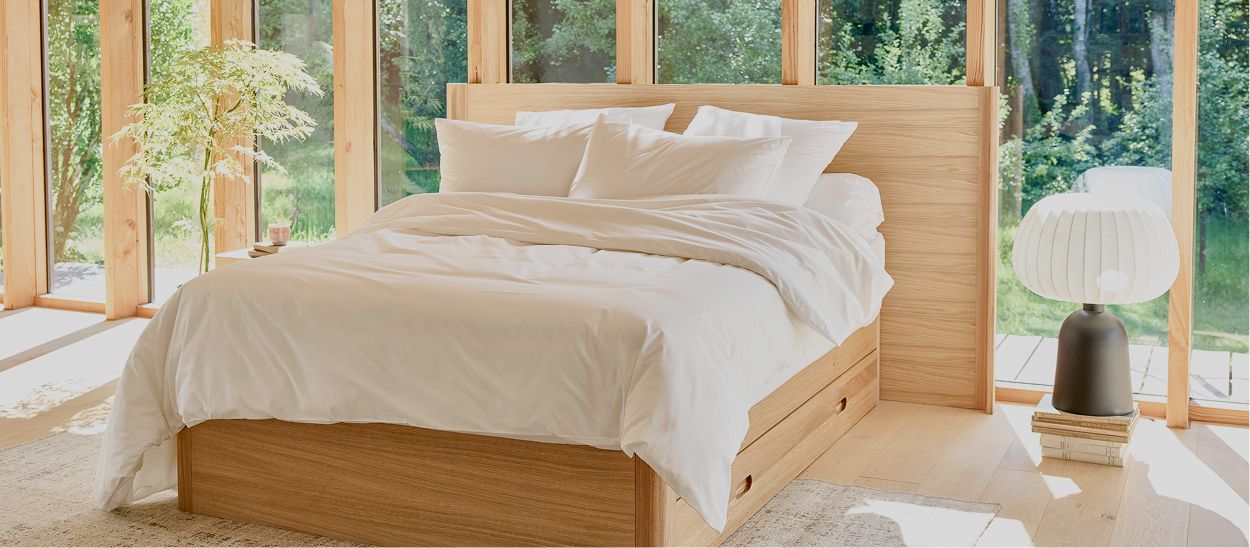
The choice of your bedding directly affects your thermal comfort at night. Breathable natural materials are essential: linen, organic cotton, and hemp. These fibers allow air to circulate and sweat to evaporate.
Conversely, avoid synthetic materials (polyester, acrylic) and thick fabrics (wool, heavy cotton). They trap heat and sweat. Opt for sheets made of percale (a tightly woven but breathable cotton) or washed linen. Percale feels slightly cooler to the touch than standard cotton.
When it comes to pillows, choose temperature-regulating models. Some pillows contain gel that absorbs heat from your head and dissipates it. Others use special foams that stay cooler. Natural latex pillows naturally provide better temperature regulation than synthetic pillows.
Sleeping position: Sleeping on your back with your arms and legs slightly away from your body maximizes the surface area exposed to the air and helps dissipate heat. For couples during a heat wave, sleeping separately allows each person to cool down without generating additional heat.
INSV: Sleeping on your back with your legs apart and wearing breathable clothing optimizes thermoregulation.
Additional Techniques
Additional Tips for Falling Asleep Despite the Heat
Avoid screens before bed
Screens (phones, tablets, TVs) emit blue light that blocks the production of melatonin, the sleep hormone. During a heat wave, when you’re already feeling vulnerable, this additional disruption makes it even harder to fall asleep. These devices also give off heat: a phone charging near the bed raises the temperature in that area.
Try to avoid screen time for at least 30 minutes before bed. If you need an activity in the evening, opt for reading a book, a quiet conversation, or guided meditation. These alternatives soothe your nervous system without causing thermal or visual disturbances.
Relaxation Exercises for Better Sleep
Heat increases your alertness and stress: your heart rate goes up, and your muscles tense up. Progressive relaxation helps reverse this cycle. Lying in bed, tense and then gradually relax each muscle group, from your feet to your head. This technique relaxes your body and lowers your heart rate, making it easier to fall asleep.
Abdominal breathing (the 4-7-8 technique: inhale for 4 seconds, hold for 7, exhale for 8) slows down your nervous system. It affects heart rate variability, a key indicator of restful sleep. Practice this breathing exercise for a few minutes before falling asleep. Apps like Calm or Headspace offer guided meditations tailored for hot weather.
Optimal Sleeping Position
Sleeping on your side with a pillow between your knees limits skin-to-skin contact and increases the surface area for heat exchange. If you sleep on your back, spread your arms and legs away from your body: this star-shaped position maximizes airflow around your body.
Some sleepers find it helpful to use an organic cotton mattress protector instead of a synthetic one: organic cotton breathes better and absorbs moisture without trapping it. Similarly, a natural latex mattress offers better temperature regulation than synthetic foam mattresses, which trap heat.
Important During a Heat Wave
If you experience symptoms of heatstroke (dizziness, confusion, high fever), immediately call emergency services at 15 (SAMU) or 112. Do not wait. Hot nights pose real health risks to the most vulnerable.
The 2026 heat wave is intense and long-lasting. Your sleep is immediately affected. But with these 6 tips—if you put them all into practice starting tonight—you’ll be back to enjoying restful nights. Closing the shutters during the day, airing out the room in the evening, taking a lukewarm shower, staying hydrated, and—most importantly—using the right bedding make up a comprehensive strategy. None of these steps requires expensive equipment. It’s simply biological common sense applied to your immediate environment.
Kipli, of course.
Written by the Kipli team, specialists in natural sleep since 2018. This article is based on recommendations from the National Institute of Sleep and Vigilance (INSV), Santé Publique France, and ResmedFrance. It is not a substitute for medical advice.