


Some tips for choosing the right sofa. The main criteria are reviewed.
Whether you’re moving or simply looking to redecorate your living room, choosing a new sofa can take time, since there are many factors to consider. First and foremost, it has to be to your taste—that goes without saying—but it also has to meet various needs in terms of comfort and practicality. And let’s not forget the budget you want to allocate to this significant purchase.
To help you choose the model that best meets your expectations, this article will provide some guidance on defining YOUR ideal sofa—a long-lasting investment. From aesthetics and materials to intended use and manufacturing methods, we’ll go over the key criteria that will help you decide how to choose your sofa.
1. The criteria and qualities we are looking for
As a general rule, the sofa's design is what will guide your initial search. You can find inspiration in magazines, on social media platforms like Pinterest, or while browsing a home decor store.
The sofa, being large and simple, sets the tone for the room: retro, modern, bohemian, industrial, exotic...
The Overall Aesthetic
First, you need to define the overall desired shape—whether it should have mostly rounded or straight lines. Determine whether there are any dominant features, such as a large backrest, a high seat, or armrests with a distinctive shape—whether they are imposing or not.
The color of the sofa will give the room a special look. This depends on the color of the walls, the floor, and the rest of the furniture.
Choosing neutral colors (beige, white, gray, brown) will create harmony among the different elements in the room. But if you want to add some vibrancy to a classic living room, you can choose a more unconventional and eye-catching color for your sofa (such as green, blue, or purple). Just be careful not to get bored with it sooner than expected. It will also be harder to repurpose it if necessary, compared to a more traditional sofa.
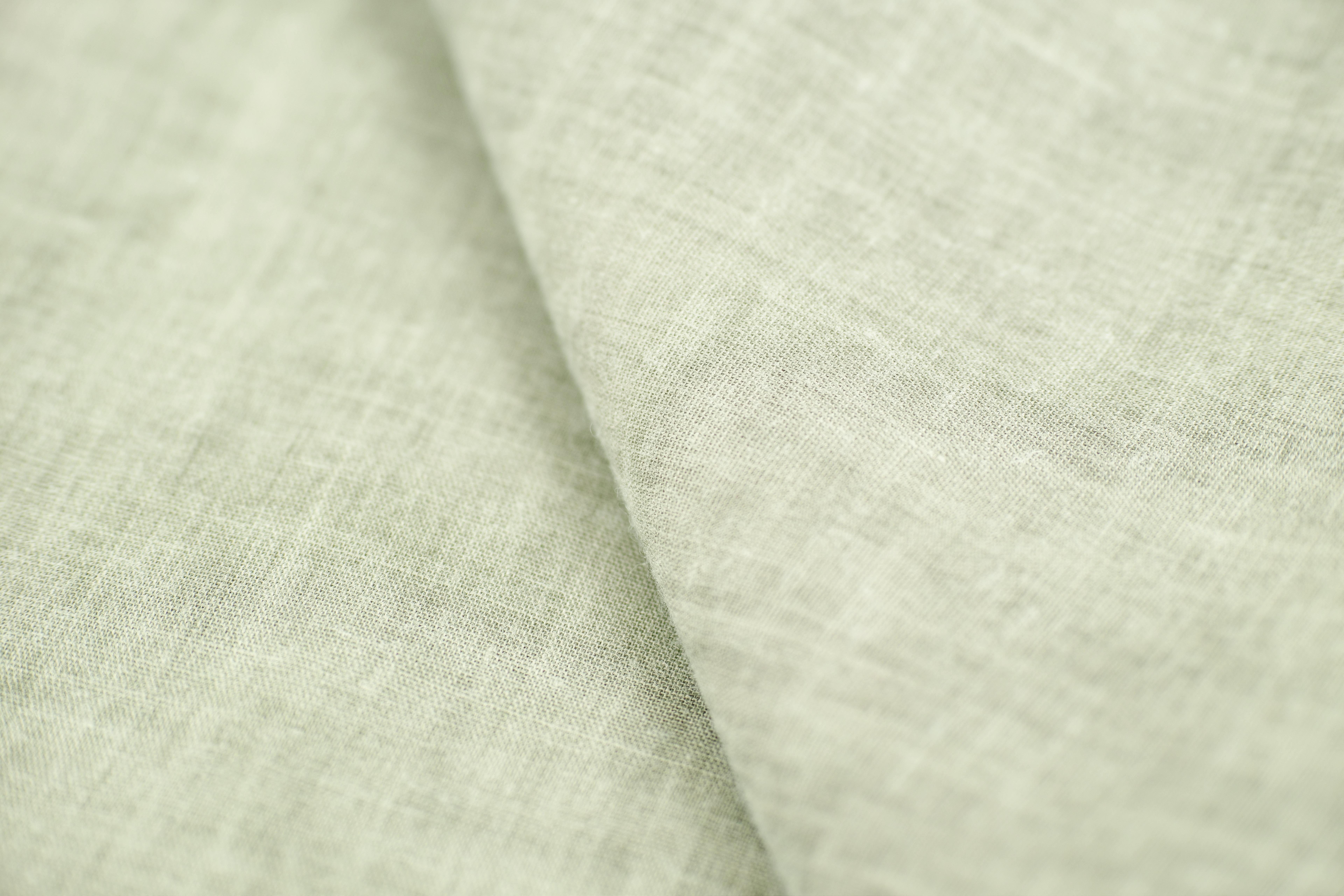
The materials used in the sofa’s construction also influence its aesthetic. Leather upholstery draws more attention and gives a luxurious look that you have to embrace. Fabric is more understated but can still be high-quality depending on the fiber used. Cotton or synthetic fabrics are more classic, but they come in many colors. Linen, on the other hand, is unique for its imperfect appearance, which gives it a bohemian feel.
In addition to the upholstery, you should also consider the overall construction of the sofa, as this will determine whether the sofa will last for years to come and retain its original design.

The Sofa's Construction and Care
Thinking about the aesthetic appeal of a particular type of upholstery is one thing, but we mustn't forget about its maintenance. Leather, for example, doesn't require the same kind of care as fabric. It needs more attention to stay in good condition, using specific products such as moisturizing cream.
When it comes to fabric, you can use natural products for cleaning, but if the cover is removable, it’s even easier to care for. This will help extend its lifespan.
To ensure the longevity of your sofa, you need to carefully consider cleaning and potential repairs, taking into account how often it is used and how well it is cared for.
There are all kinds of materials, both natural and synthetic. However, even materials that look natural should be chosen with care. When it comes to leather, it’s a good idea to check the source and, if possible, the type of tanning process. Not all leather is of the same quality. Some substances used in the tanning process are carcinogenic and have a negative environmental impact.
Beyond the upholstery are all the other materials that make up the seat, the backrest, and the base structure. These aren't necessarily the first things that come to mind because they're hidden, but they're important.
The quality of the overall structure affects the comfort and durability of the piece. Whether it’s children playing, movie nights on the couch, or pets, the sturdier the structure, the better it will withstand the rigors of everyday life. For example, solid wood is especially recommended to ensure a long service life and optimal comfort.
As for the upholstery on the seat, backrest, or cushions, here too, choosing high-quality materials will help you avoid the problems of premature sagging, which can result in a loss of comfort as well as aesthetic appeal. Synthetic materials such as foam should be avoided, as they lack sufficient durability. Among the most durable materials is natural latex, which can withstand the test of time without losing its shape. To give you an idea of its durability: the higher the density, the more durable the material will be.
Unfortunately, sofas made primarily from natural materials are hard to find.
Place of Manufacture
The traceability of all the components that make up a sofa indicates whether or not it is made of high-quality, durable materials. In fact, it is not uncommon for some brands to focus on one aspect of their manufacturing process (usually the most visible one) while remaining vague about the rest.
That is why, for the most discerning customers and those who are particular about the origin of the materials used, choosing European—and therefore French— manufacturing is a guarantee of quality. We have a wide range of high-quality materials available in France to provide everything needed to craft a high-quality sofa.
That is why we have included the place of manufacture among the criteria to consider. The use of high-quality materials is evident in the design.
You can check the company's ratings, the country of manufacture, and certifications, and compare them with similar products. Finally, if you have the chance to see the product in the store, that's definitely an advantage. Seeing it in person is the most important factor in choosing your sofa.
Once you've sketched out your ideal sofa, the practical considerations take over.
2. Practical and Budgetary Criteria
You should ask yourself how you plan to use your future sofa: as a fixed piece of furniture for relaxing, or as a modular or convertible sofa?
If you have a lot of friends or family staying over but don't have any extra bedrooms, a convertible sofa can be the perfect way to create an extra sleeping space. Obviously, convertible sofas, sofa beds, or BZ sofas have a fairly simple design to make them easy to use and unfold.
Difference between the BZ sofa and the clickety-clack
The difference between the two models that allow the sofa to be converted into a bed lies in how they open.
- The seat of the BZ sofa folds out like an accordion. You sleep perpendicular to the wall against which the sofa is placed.
- The sofa bed can be unfolded in two steps: first, lower the backrest, and then fold the seat back over the backrest to open it. The bed will then be parallel to the wall.
The modular sofa has the advantage that you can arrange its various sections however you like. It usually comes with one or more chaise lounges. This is ideal for making the space more inviting depending on the number of people present.
There are sofas with built-in storage that can be very practical when space is limited.
No matter what type of sofa you choose, you'll also need to consider its overall shape: the number of seats and whether it's a straight sofa or a corner sofa.
The size of the sofa, as you can imagine, will be taken into account and measured well in advance. This depends on the size of the space to be furnished, but also on the number of people in the household. Accessibility to the living room is very important: a one-piece sofa may be difficult to fit in, or even impossible in some cases.
Last but not least, the budget. Of course, you probably already have a budget in mind. As for prices, you can find absolutely everything, ranging from 300 EUR to over 10,000 EUR. We can only advise you to take a long-term view. A sofa pays for itself if it lasts a long time without deteriorating too quickly. You may be reluctant to pay the price for a beautiful piece, but if you keep it for more than a decade, you won’t regret it.
However, be careful not to pay a high price for parts that look good but are of average quality. You should always consider the balance between quality and price.
Among all these criteria, what are the trends or timeless classics in the sofa market?
III. Trends and Timelessness
In the world of interior design, just as in fashion, there are trends in shapes, materials, and colors that are embraced by market players.
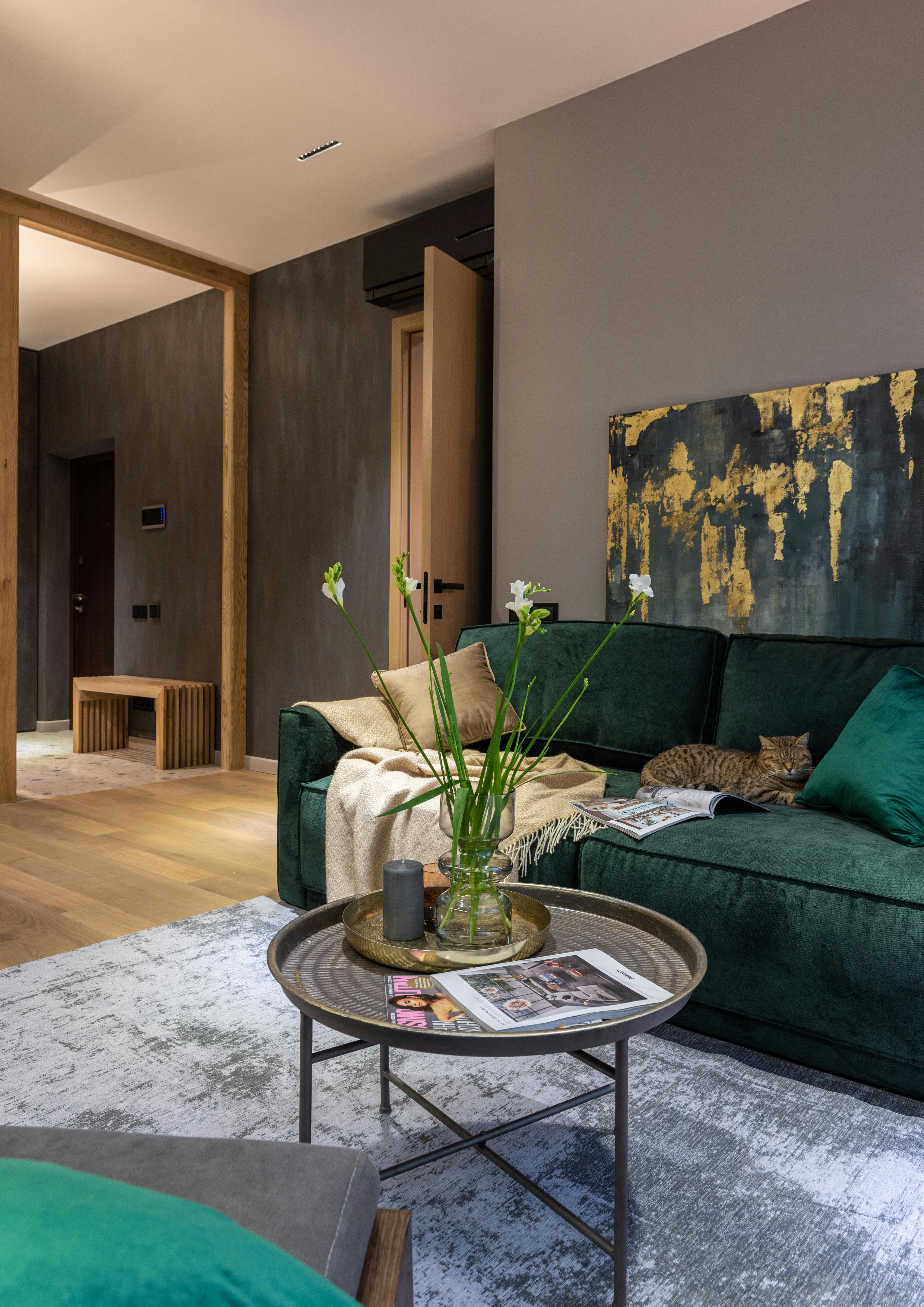
When it comes to materials, velvet is very popular right now. It adds a retro touch to your living room, especially if you choose deep colors like dark green or dark blue for the upholstery. Pair it with a brass frame, and you’ve got the perfect, on-trend retro sofa set.
Sofas with curved or C-shaped lines are also in the spotlight. They are more in line with the modern trend.
Playing with geometry and unique shapes is also very trendy. But you have to know how to coordinate the sofa with the rest of the room.
If you're in the mood to choose an unconventional, trendy piece to create a unique look, you'll find plenty of inspiration on websites specializing in interior design.
For timeless pieces, understated elegance is the order of the day. Softer colors that blend easily with the room’s decor. Classic shapes that you won’t grow tired of quickly. High-quality materials that enhance the sofa.
In short, an unpretentious yet charming style.
Everything natural, eco-friendly, and even bucolic falls somewhere between timeless and trendy, as the demand for sustainable products grows every year.
Also, if you like this style, check out our KIPLI line of sofas made of linen and natural latex, handcrafted in France.
We hope these tips and selection criteria will give you an idea of how to choose your sofa and enjoy it for as long as possible.