


Behind every bad night’s sleep lies an invisible cost—a cost in energy, health, and mood. And behind every good choice in bedding or habits lies a quiet investment in what we hold most dear: our well-being.
By reducing sleep to a mere biological function, we forget that it also has economic, emotional, and existential dimensions. In this article, we’ll break down what sleep really costs—and why choosing the wrong path is a price we’ll all end up paying.
"Sleep is the golden chain that binds health to our bodies."— Thomas Dekker (16th-century English playwright)
1. The Hidden Cost: Physical and Mental Health
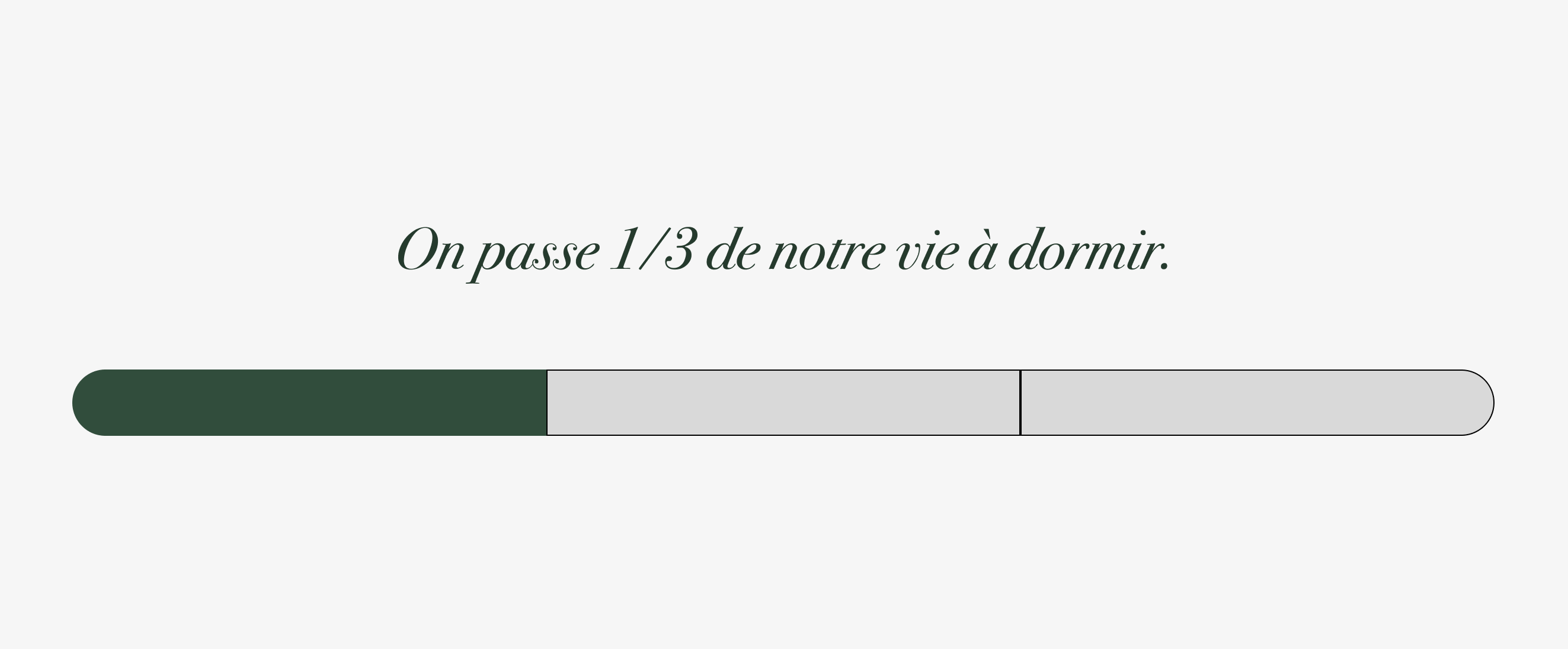
On average, we spend one-third of our lives sleeping. This means that for 25 to 30 years, night after night, our bodies rest on surfaces that can be either allies or silent saboteurs of our health.
90% of the mattresses on the market are filled with synthetic materials. This may seem harmless, but they emit volatile organic compounds (VOCs) that are released into the air we breathe all night long. The result: respiratory irritation, allergies, and chronic inflammatory conditions.
Beyond the chemicals, the very structure of the mattress matters. Inadequate support leads to pressure points, muscle tension, and joint pain, which gradually become chronic over time. The body struggles to fully relax. Deep sleep—the kind that truly rejuvenates—becomes fragmented.
Mental health also pays the price. Deprived of restorative sleep, the brain enters a state ofhypervigilance. Irritability increases, stress tolerance decreases, and in the long term, the risk of depression doubles, according to a study by Harvard Medical School. When we consistently sleep on unsuitable materials or endure poor-quality sleep, our entire emotional balance becomes fragile.
Conversely, sleeping on natural materials that are free of chemical treatments promotes better air circulation, reduces exposure to airborne pollutants, provides better support for the body, and respects its physiological needs. Simply choosing a healthy mattress or pillow can drastically reduce the risk of allergies, pain, and sleep disorders.
In short, skimping on the quality of your bedding takes a toll on your physical and mental health—often without you even realizing it.
"A good laugh and a long sleep are the two best remedies for everything."— Irish proverb
2. Sleep Debt: A Deficit We Can't Pay Off

It’s tempting to believe that you can juggle your sleep—going to bed late on weekdays and making up for lost sleep on the weekend. Accumulating a sleep debt the way you might run a bank account into the red, then hoping to pay it off all at once.
Yes, sleep doesn't follow the same rules as our bank accounts. When we don't get enough sleep over several days, certain essential biological functions are permanently impaired: concentration, memory, hormonal regulation, immune response... And catching up on a few hours of sleep on a Saturday morning isn't enough to fully restore these functions.
A study by the University of Colorado supports this observation and confirms that sleeping more after several days of sleep deprivation does not reverse the accumulated negative metabolic effects. In other words: chronic sleep debt leads to a lasting imbalance, even if you treat yourself to a long, lazy morning every now and then.
Sleep debt takes a toll on the entire body
Just a few nights of sleep deprivation can already cause:
- A decline in cognitive function of more than 25% (source: American Academy of Sleep Medicine)
- A disturbance in blood glucose levels, increasing the risk of type 2 diabetes
- A weakened immune system
Even our metabolism slows down: A study by the University of Chicago showed that sleeping only 4 hours a night for a week reduces the body’s ability to metabolize glucose by nearly 40%.
A Colossal Economic Impact
Beyond health, sleep deprivation has a massive economic cost. In France, the loss of productivity linked to sleep disorders is estimated at more than 10 billion euros per year (source: National Institute of Sleep and Vigilance).
And that's not even counting the medical expenses associated with conditions exacerbated by sleep deprivation.
3. The material cost: How much is a good night's sleep worth?
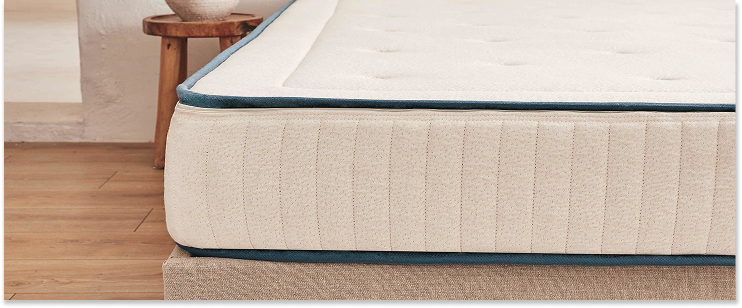
Beyond physical and mental health, there’s another cost that’s often overlooked: the cost of what we sleep on. Because, yes, not all nights are the same—and neither are all surfaces.
"There is no substitute for sleep: not caffeine, not adrenaline, not shortcuts."— Dr. Matthew Walker, neuroscientist and author of *Why We Sleep*
Investing in a good mattress may seem unnecessary as long as you aren't experiencing any pain or sleep problems. However, making the right choice from the start can save you a lot of money and hassle in the long run.
Let's take a concrete example: a Kipli natural latex mattress (standard mid-range size 140x190) costs 1 650€.
This may seem like a significant investment compared to synthetic mattresses, which can be found for as little as 300–400€ at major retailers.
But what's the real story when you look at the details?
Break it down to understand it better
- Lifespan of a Kipli mattress: 10 to 15 years
- Number of nights of use over 10 years: 3,650 nights
- Cost per night for 2 people: 1,650€ ÷ 3 ,650 ≈ 0.45€ per night
- Cost per night per person: ≈ €0.23
Just over 20 centimes a night to sleep on a natural, chemical-free, breathable, hypoallergenic mattress that’s gentle on the body.
In contrast, a standard synthetic mattress costs at least €400, but:
- Its actual lifespan rarely exceeds 5 to 7 years.
- Its structure deteriorates more quickly (sagging, loss of support).
- It releases VOCs for several years, directly affecting air quality, sleep quality, and the health of the household’s residents.
Ultimately, over a 10-year period, you’ll need to replace a synthetic mattress twice to ensure a minimum level of comfort—at a cost of €800—without enjoying the natural benefits of real latex or organic cotton. Not to mention the hidden costs: pain, restless nights, and doctor’s visits for musculoskeletal disorders or chronic allergies...
And all of this is based on choosing the least expensive synthetic mattress.
"It's better to pay for a good night's sleep than for a doctor— I speak from experience."
True luxury is longevity
Choosing a high-quality natural mattress means making a one-time investment for a decade of restful sleep. It means avoiding rushed replacements, overconsumption, and compromises on your health.
In summary:
| Mattress Type | Purchase Price | Service Life | Cost per night | Health |
|---|---|---|---|---|
| Kipli Natural Latex | 1 650€ | Ages 10–15 | ≈ €0.23 per night per person | Healthy, natural, breathable |
| Synthetic mattress | 400€ (x2 over 10 years) = 800€ | Ages 5–7 | ≈ 0.11€ per night per person | VOCs, rapid subsidence |
In the short term, a synthetic mattress may seem more economical. But over a lifetime, that’s an illusion.
4. What about other hidden costs?
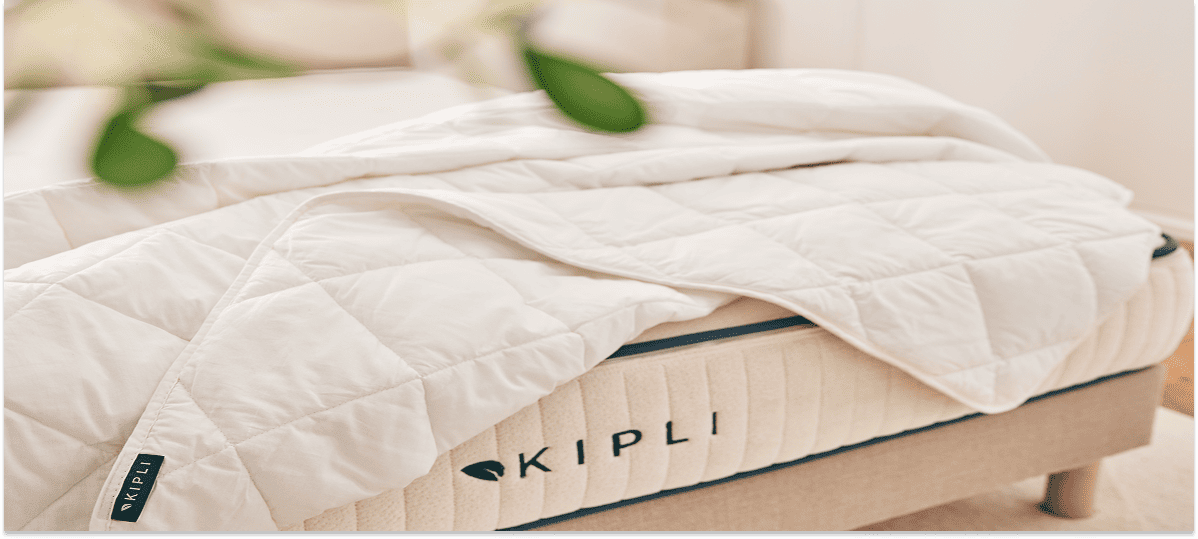
The mattress is just the foundation of our sleep. The items that surround it—pillows, comforters, and bedding—can enhance or undermine the benefits of a good night’s sleep.
Synthetic bedding, for example, is everywhere on store shelves. Although it’s cheaper to buy, it’s far from environmentally neutral. Often made from polyester or petroleum-based fibers, it has several major drawbacks:
- It traps heat and promotes night sweats.
- It restricts the skin's natural ability to breathe.
- It wears out quickly, requiring frequent replacement.
- Affects the condition of your skin and may cause skin reactions
Choosing the wrong bedding, therefore, means more nights disrupted by thermal discomfort, as well as more subtle but devastating micro-awakenings that negatively impact the quality of your rest.
Pillows and comforters: at the heart of the problem
The same logic applies to low-cost pillows and comforters. Filled with synthetic fibers or treated with chemicals to make them “dust-mite resistant” or “stain-resistant,” they, too, release VOCs that contaminate the air at night. Over the long term, this can aggravate respiratory problems (asthma, allergies) and impair the quality of deep sleep.
On average, a low-quality pillow should be replaced every 2 years for hygiene reasons and due to wear and tear. A good pillow made of natural latex or a breathable material can last 5 to 7 years without losing its comfort or shape.
Short-Term False Savings
Frequently replacing poor-quality bedding and pillows ends up costing much more than investing in natural, healthy, and durable options from the start.
And beyond the financial cost, the quality of sleep deteriorates, night after night. The body, feeling uncomfortable or irritated, struggles to fall into a deep sleep. Recovery is compromised. The vicious cycle of fatigue sets in.
In summary: Cutting corners on things that directly affect our skin, our breathing, and our body temperature is one of the most underestimated hidden costs of sleep.
5. Things We Pay For Without Thinking… At the Expense of Our Sleep
Strangely enough, when it comes to investing in a good night’s sleep, the expense sometimes seems excessive. But when it comes to spending money on habits that sabotage our sleep, we seem much more willing to open our wallets. This is often because we’re unaware of the factors mentioned earlier or the real effects of our consumption choices.
Here’s a quick overview of what many of us spend each year, sometimes without even realizing it:
Streaming and Blue Light
A Netflix, Disney+, or Prime Video subscription costs an average of about 200€ per year—an affordable price for access to thousands of hours of entertainment… which many people consume late at night, exposing their eyes to artificial blue light that disrupts the secretion of melatonin, the sleep hormone. The result: delayed sleep onset, less deep sleep, and accumulated fatigue.
Smartphones and Technology Monitoring
A good smartphone costs between €600 and €1,200 on average, and needs to be replaced every 2–3 years. And if you think about it, much of our nighttime smartphone use (social media, videos, notifications) is the sworn enemy of a peaceful night’s sleep. Although having one is practically essential these days, it’s the late-night and often excessive use of it that’s harmful.
Coffee and Energy Drinks
To combat fatigue, many people turn to caffeine. A single takeout coffee (€2) consumed almost daily adds up to about €400 a year. Worse still: beyond a certain threshold, caffeine further disrupts sleep by prolonging the waking phase, thereby increasing sleep debt.
Dietary Supplements and Quick Solutions
Sleep-aid herbal teas, melatonin gummies, relaxation patches… The market for “quick fixes” for sleep is booming, with French consumers estimated to spend between 80 and 150€ per year. These are stopgap measures that rarely address the root of the problem: an unsuitable sleep environment and an unhealthy lifestyle.
Alcohol: The Illusion of Easy Sleep
Alcohol gives a false impression that it makes it easier to fall asleep. However, it reduces the duration of deep sleep and increases the number of times you wake up at night. In the long term, it impairs the overall quality of sleep and contributes to chronic sleep disorders.
These are just a few examples. Every year, we spend hundreds—sometimes thousands—of euros on habits that chip away at our sleep, night after night.And on top of that, there are all those impulse purchases, connected devices, and fast-paced lifestyles that insidiously erode our ability to sleep well. Investing in a healthy mattress, a soothing environment, or simply in sleep-friendly habits isn’t just a luxury. It’s probably the most worthwhile investment we can make in our health and well-being.
- Streaming subscription: €150–€300/year
- Smartphone: €600–€1,200 every 2–3 years
- Coffee and energy drinks: €300–€500 per year
- Sleep supplements: €80–€150 per year
Conclusion: What a Good Night's Sleep Really Costs
Replacing a mattress, pillow, or comforter isn’t something we do on a whim. We stretch out the years of use, adapt to the discomfort, and put off the inevitable. Why? Because at that moment, the cost seems high.Because, when faced with an immediate expense for an invisible, long-term benefit, many prefer to give in to purchases that are more visible, quicker, and more “rewarding”—things we see and feel are priorities.
And yet.
When we consider the combined impact of poor sleep on our physical, mental, and cognitive health, and when we take a hard look at the expenses we accept without batting an eye for habits that undermine our sleep, the reality becomes clear:The true cost of sleep is what we lose by ignoring its importance.
A healthy, durable mattress is a significant investment, yes. But health, well-being, memory, concentration, the ability to love, create, and make decisions—these things are priceless. And once they’re damaged, they can neither be replaced nor repaired.
| What We Pay | Estimated cost | Frequency | Impact on Sleep |
|---|---|---|---|
| Streaming subscription (Netflix, etc.) | €150–€300 per year | Annual | Disruption of the circadian rhythm (blue light, late-night eating) |
| New smartphone | €600–€1,200 | Every 2–3 years (ideally) | Increased nighttime exposure, difficulty falling asleep |
| Coffee and Energy Drinks | €300–€500 per year | Annual | Coping with fatigue, disrupted sleep |
| Sleep Supplements | €80–€150 per year | Annual | A stopgap measure instead of real improvement |
| Kipli Natural Mattress | €1,000–€4,000 (depending on the model) | Lifespan: 10–15 years | Improved sleep, body support, respiratory health |
Prices are for reference only and vary depending on personal usage and product line choices. A Kipli mattress, for example, represents a higher initial investment but pays off over more than a decade of healthy sleep.
A societal choice, a personal choice.
Putting a price on sleep means daring to say that our health matters. It means deciding that fatigue will not be the norm—that clarity of mind, energy, and inner calm are not luxuries, but the building blocks of life.
"Health isn't everything, but without health, everything is nothing."— Arthur Schopenhauer (German philosopher, 19th century)
Yes, comfort can be expensive. But there is no substitute for what it protects and nurtures .