


A healthy bedroom is neither a showcase nor a laboratory. It is a simple, airy space where natural materials, air, and light each find their rightful place. Every choice matters: the bed frame, the fabrics that touch the skin, and the subtle care routines that, night after night, soothe the body and mind.
Why aim for a healthy bedroom?
Sleep is more restorative when the air is fresh, the space isn’t cluttered, and the eye rests on soothing lines. Airing out the room for ten minutes—even in winter—is enough to remove nighttime humidity and unwanted compounds. By choosing solid wood, organic cotton, linen, or Tencel®, you gain breathability, naturally regulate temperature, and reduce maintenance. The bedroom becomes a lively, soothing, and sustainable space.
A simple tip:Openthe window wide, then close it again—a short, brisk draft cleans the air better than a window left ajar for hours.
The Heart of Comfort: Bed, Box Spring, Materials

Comfort starts with a healthy, well-balanced combination. A breathable mattress, supported by a stable box spring, lays the foundation for a peaceful bedroom. TheKipli 100% natural latex mattressconforms to your bodywithout sagging, allows air to circulate, and reduces pressure points. It works perfectly with an upholstered slatted bed frame that maintains a firm and quiet structure. TheOtto bed frameprovidesthis even, breathable support: a discreet, effective base built to last.

If space is limited,opt for built-in storagetodeclutter the room and make cleaning easier. The less visually cluttered the space, the more naturally you’ll drift off to sleep. The key here is consistency: healthy materials, even support, and minimal noise. The bedroom breathes in sync with your rhythm.
Healthy Bedding: Breathability & Care
Textiles are in contact with your skin all night long: they should be soft, durable, and easy to care for. Anorganic cotton duvet coverfeelscrisp against the skin andretainsits shape wash after wash. Anorganic cotton bedding setharmonizescolors and textures without feeling heavy. Anorganic cotton fitted sheetkeepsthe mattress in place and improves air circulation. Avoid fabric softeners, which coat the fibers, and opt for a mild detergent instead: breathability depends as much on the weave as it does on how you care for the fabric.
A simple routine is all it takes: wash regularly, dry gently, and store in a dry place. The more natural the fabric, the better it gets with time. The goal isn’t perfection, but a clean, light feeling that makes you want to go to bed early.
Care tip:Lowerthe wash temperature and extend the rinse cycle—this keeps the fibers soft and allows your skin to breathe better.
Soothing Textiles & Accessories
Accessories complement rest; they do not replace it. A supportive pillow aligns the neck and promotes easier breathing. With this in mind,the natural latex pillowoffersprecise, breathable support without any unnecessary treatments.
Opt for a balanced layout. A bedroom that feels airy is one where the eye can wander freely. Leave space around the bed, keep the floor uncluttered, and keep only what is useful and beautiful within easy reach.
Add fragrance without overloading the air
Kipli fragranceisa room freshener, not a mask. Air out the room every day, then—if you like—add a subtle touch to your linens or near the entrance. Choose simple, natural formulas that are gentle on the room and its occupants. A few sprays are all it takes: the olfactory memory retains, above all, the right balance.
Minimal maintenance, maximum impact
Maintenance shouldn’t feel like a chore. Air out the room, give it a light dusting, wash linens regularly, and clean wood with a damp cloth and Marseille soap: all it takes is a few simple steps. The rest comes down to consistency. When materials are well-maintained, they age gracefully and require less effort. This is the promise of a smoother, brighter daily life.
Recommended schedule:air outthe room daily; dust surfaces once a week; wash linens every 1–2 weeks, depending on the season; and do a light sort through your belongings at the start of each season.
Evening Ritual: Questions to Help You Find Calm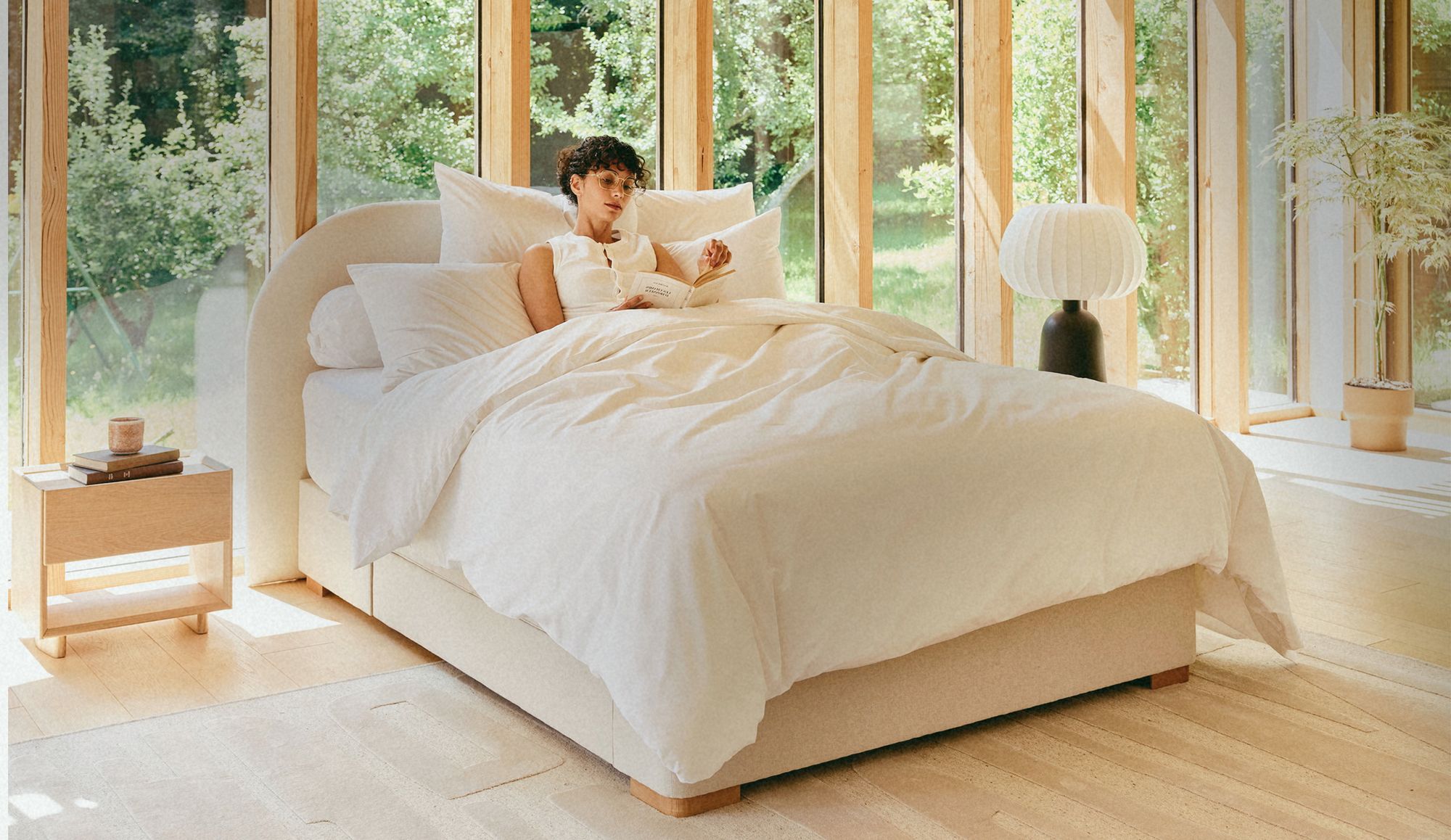
Every evening, when the house quiets down, the bedroom takes a breath. Let it speak to you gently through a few simple questions. Answer without rushing—sleep is already setting in.
Has the air really cleared? Wasthewindow open for ten minutes—just long enough to let the day’s humidity out and freshen up the sheets without cooling down the room?
Does the bed “breathe”? Doesthemattress-and-box-spring combination remain clean and uncluttered, ready to welcome you without a sound or any sagging, like a peaceful shore at the end of the day?
Does your skin feel good? Havethenatural-fiber pillowcases regained their softness—clean and dry—so that the night passes without overheating or an overpowering scent?
Can light fade away? Arethelamps dimmed and directed toward the book rather than toward the eyes, while the screens wait in the living room?
Is the floor clear?Nothingunder the bed, nothing to catch the eye or collect dust: an unobstructed space that soothes the mind as much as the air does.
Has the body already slowed down?A fewdeep breaths, shoulders dropping, a rhythm that gently falls in step with the silence of the room.
What else can you remove to sleep better?Ascent that’s become too overpowering, an extra pillow, a thought worth jotting down. Removing things often means adding more rest.
When those answers align, the room takes care of the rest. All you have to do is turn off the light and let the night work its magic for you.
Kipli, plain and simple.