


A bed doesn’t make a sound. And yet, it influences one of the most sensitive moments of the day: the moment when the body stops “holding on” and finally seeks to relax. When your back hurts, the question often comes up in a very simple form:Does the mattress help… or does it contribute to the pain?
Table of Contents
- • The answer
- • Back Pain: What a Mattress Can—and Can't—Do
- • The criteria that really matter (latex, density, double-sided, reviews)
- • Kipli: the 100% natural latex mattress
- • After the purchase: what really helps in everyday life
- • Health Resources
The Answer
Yes,a natural latex mattresscanbe a good choice if you have back pain, provided you choose a model that offers proper support, remains stable over time, and doesn’t “trap” you in one position. When properly crafted, latex has this rare ability:it conforms to the bodyand thensprings back, without making you feel like you’re being sucked in.
But no, even a very well-designed mattress is no substitute for a diagnosis: back pain often has multiple causes, and bedding is only part of the story. What it can do, however, isreduce disturbances: fewer pressure points, less instability, and fewer times you wake up briefly.
At Kipli, we prefer to stick to this approach:making sleep simpler. Just the right amount of support, breathable fabric, and a clear list of materials. And giving the body what it needs at night: a peaceful refuge, free of frills.
Important: If the pain issevere,persistent, accompanied bytingling,weaknessinone leg, pain that extends clearly below the knee, or occurs in unusual circumstances (a fall, fever, unexplained weight loss, etc.), it is essential toconsult a healthcare professional. A mattress can improve comfort, but it should never delay seeking medical care.
Back Pain: What a Mattress Can—and Can't—Do
A mattress doesn’t “cure” anything. However, it can help prevent additional strain during the night. When the surface is too soft, the pelvis sinks in, the spine compensates, and waking up can sometimes result in a buildup of minor tensions. When the surface is too hard, the shoulders and hips don’t find a comfortable position: you move around more, tense up, and get hot.
The role of good bedding is topromote proper alignmentanddistribute pressure, so that your muscles stop “tensing up” during the night. It’s also about allowing air to circulate: sleeping in a room that’s too hot makes rest more elusive, and a body that doesn’t recover properly rarely ends up with a pain-free back.
A few simple signs that are worth paying attention to

Without exaggerating, there are certain signs that often appear when a mattress is no longer doing its job:
- Pain, especially upon waking, which subsides after moving around a bit in the morning.
- A feeling of hollowness(as if the pelvis is “sinking”), or, conversely,hard spotsaroundthe shoulders or hips.
- A need to change positionveryoften, as if the body were searching for a place that doesn't exist.
- The heat lingers: we uncover ourselves, we wake up, we lose track of our sleep.
These aren't proofs. They're clues. And at Kipli, we like to start there: observing, without rushing, and adjusting whatever can be adjusted.
The Criteria That Really Matter
A comparison is useful when it gets to the heart of the matter: what will still be true after a few nights. The first factor to consider is thedensity of the latex. Given comparable characteristics, a higher density is often an indication ofgreater durabilityandlong-term performance,though it does not, on its own, fully capture the sensation of firmness.
"Appropriate support": stable, but not rigid
Back pain doesn't respond well to either sagging or excessive pressure. What helps the most, in most cases, is a surface thatprovides support(stabilizing the pelvis) while allowing protruding areasto settle into place(shoulders/hips).
This is wherecomfort zonescanbe useful: they’re designed to tailor support to different parts of the body. The idea isn’t to “correct” your posture, but simply to make your alignment more natural—especially if you sleep on your side.
Double-sided: a simple, sustainable freedom
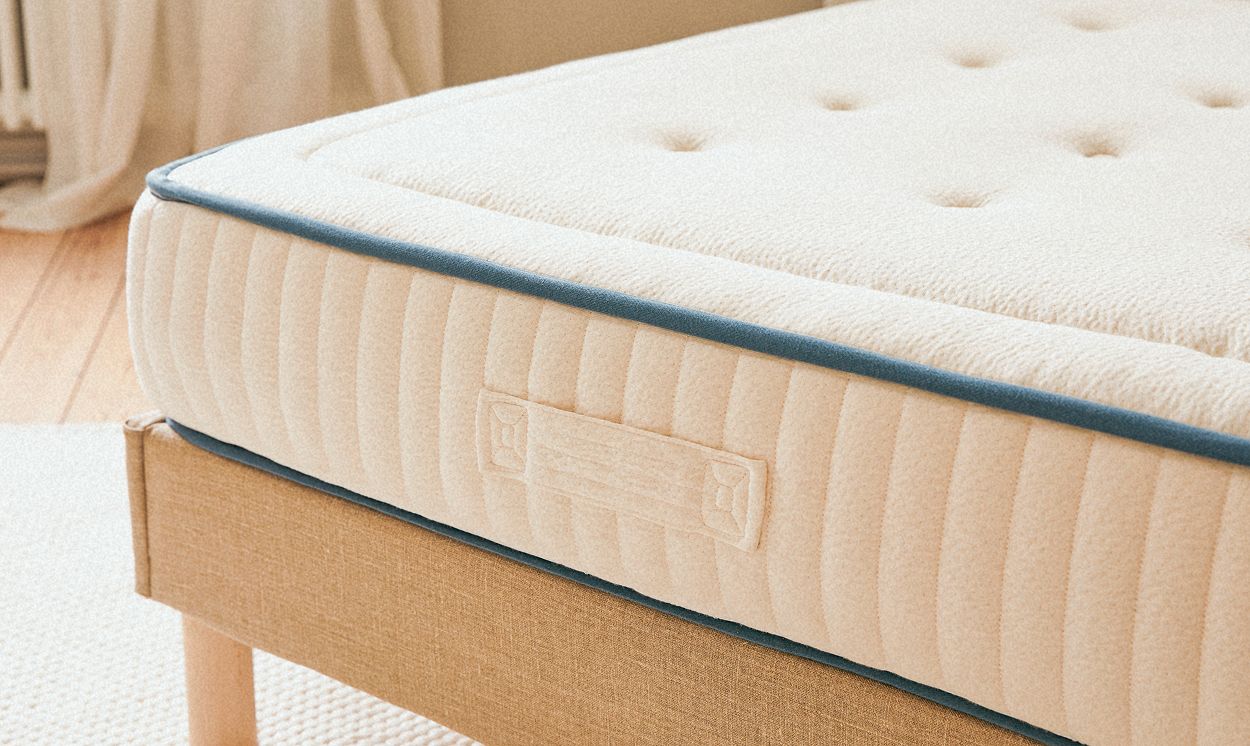
The second key feature is the inclusion of areversible mattress. Having two sides offers a simple yet valuable degree of flexibility: a firmer feel on one side, a softer feel on the other, and asmarterwayto distribute wear and tear.
In real life, this often translates into a very specific phrase:“I’ve found my groove.”Andwhen the body is going through a more sensitive time (fatigue, exercise, stress, pregnancy…), that margin can make a difference.
Reviews: Look Beyond Enthusiasm—Pay Attention to the Big Picture
Finally, there’s what product specifications don’t always tell you: real-world experience.Customer reviewshelpidentify what’s confirmed night after night: consistent support, thermal comfort, and perceived quality over time. They’re easier to interpret when there aremany of themandthey’re consistent—not just enthusiastic.
And what about firmness in all of this?
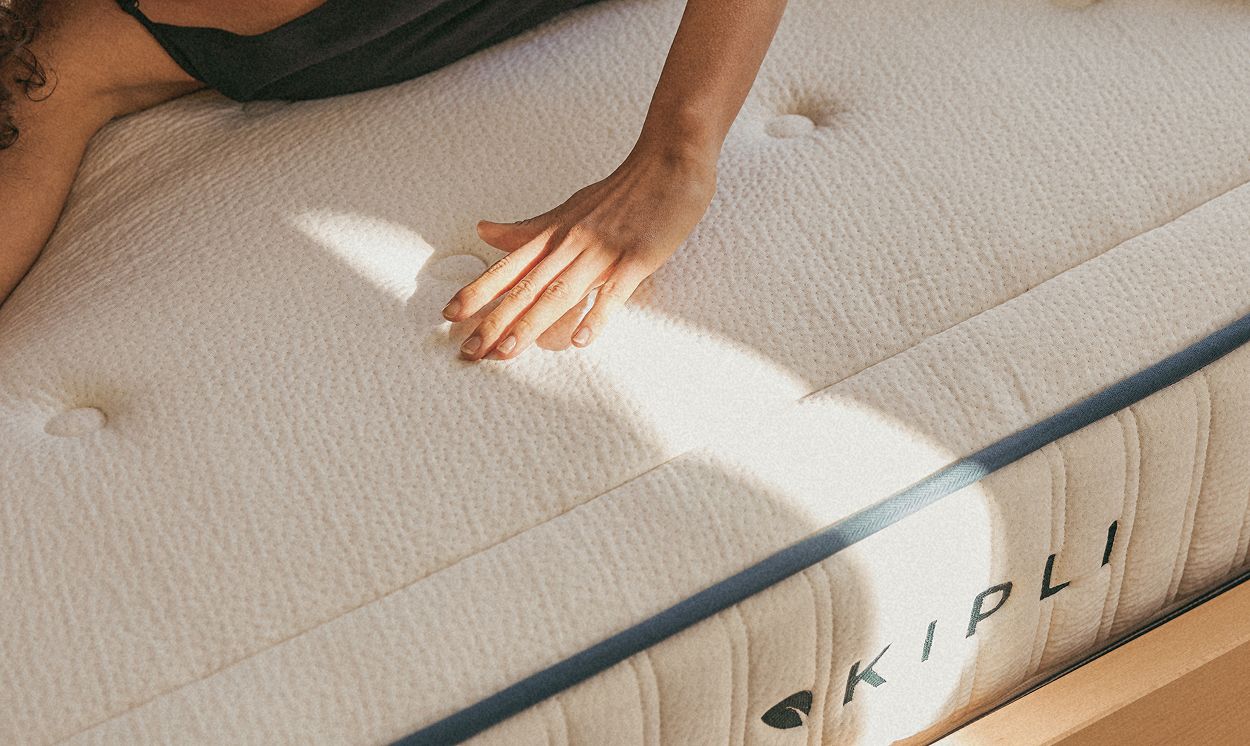
For those who prefer simple guidelines: some studies have found that a“medium-firm” firmnesslevel may be associated with reduced pain and disability in people with nonspecific chronic low back pain. This isn’t a universal rule, but it’s a reasonable starting point that you can then adjust based on your body type and sleeping habits.
If you sleep on your back, you often seek a firmer feel. When sleeping on your side, you need your shoulder to “sink in” a little, without your pelvis collapsing. And when sleeping on your stomach, the challenge is to avoid arching your lower back. There are no hard and fast rules here—just an invitation to listen to what your body is telling you.
Kipli: The 100% Natural Latex Mattress
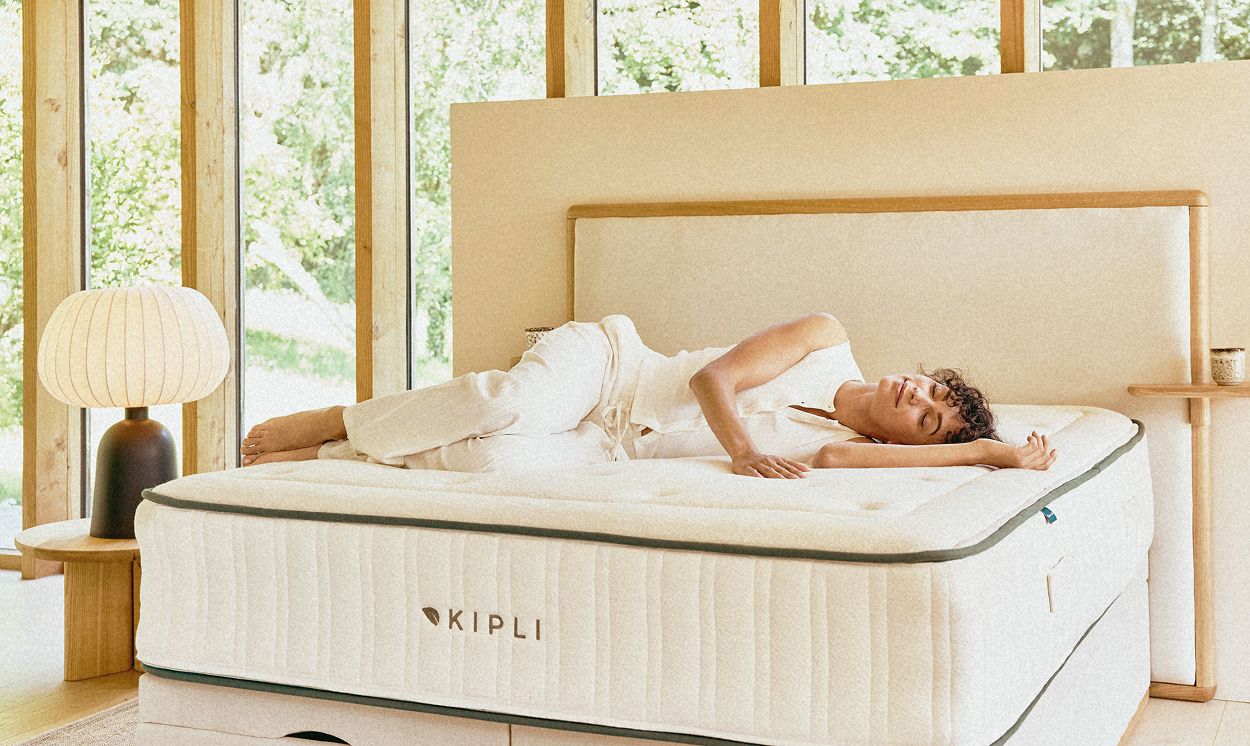
At Kipli, our choice of natural latex isn’t just a stylistic decision—it’s a material that sets high standards. It offers comfort thatsupportsrather thanconstricts. TheKipli 100% natural latex mattressisdesignedwithout synthetic foam, featuring areversible designand7 comfort zonestohelp the body achieve a more natural alignment.
People often talk about “getting back to basics.” Here, it’s very concrete: clear materials, a welcoming atmosphere, and a design built to last. Nothing excessive. Just what’s right.
100% Natural Latex Mattress • Kipli
A core made of100% natural latex, two sides to customize the feel, and a cover made of natural fibers (organic cotton & Tencel®). The mattress is advertisedas free of chemical treatmentsandsynthetic foam.
For a sensitive back, what matters can often be summed up as follows: stable support, a material that “bounces back” gently, and a design that allows the skin to breathe at night.
After the purchase: What Really Helps in Everyday Life
A mattress never works alone.The box spring matters: it supports, stabilizes, and provides ventilation. In any case, avoid placing the mattress directly on the floor if you can—air needs to circulate. Also, give your body a little time. Changing your bedding may take a few nights to get used to, especially if you’re switching from a sagging mattress.
Three simple steps that often make a big difference
- Air out the room(and the bedding): fresher air often helps the body relax.
- Check your pillow: Even a good mattress can cause neck strain if paired with the wrong pillow.
- Rotate/alternateasrecommended: to maintain balanced support over time.
And keep in mind a simple idea, one often emphasized by health guidelines: whenever possible,staying activeandgradually increasing your physical activity are among the most effective ways to prevent back pain from setting in. A good mattress helps you recover better; staying active helps you get more out of your day. The two often go hand in hand.
At Kipli, we basically call it a form of“Kiplism”: finding a better rhythm. Not about performance. It’s about balance.
Health Sources
French National Health Insurance (Ameli) on lower back pain:subacute/chronic lower back pain. Guidelines on “when to seek medical attention” (warning signs):Mayo Clinic – back pain. Study data on “medium-firm” firmness:BMJ Evidence-Based Medicine(abstract) andKovacs et al., 2003.
Kipli, plain and simple.