


Make yourself comfortable… the story begins
Have you ever thought about how you sit? Straight as an arrow, slumped in a plush armchair, perched on a bar stool, or cross-legged on a cushion? Sitting is an everyday action we perform without thinking, and yet it says a lot about our times, our culture, and our habits. For a chair is not just a simple object: it reflects a way of life, a mark left on time, a way of defining space.
A story that stands on five feet
The history of the chair is one of a fascinating social and aesthetic evolution, marked by changes that speak volumes about humanity and its relationship to comfort, posture, and power.
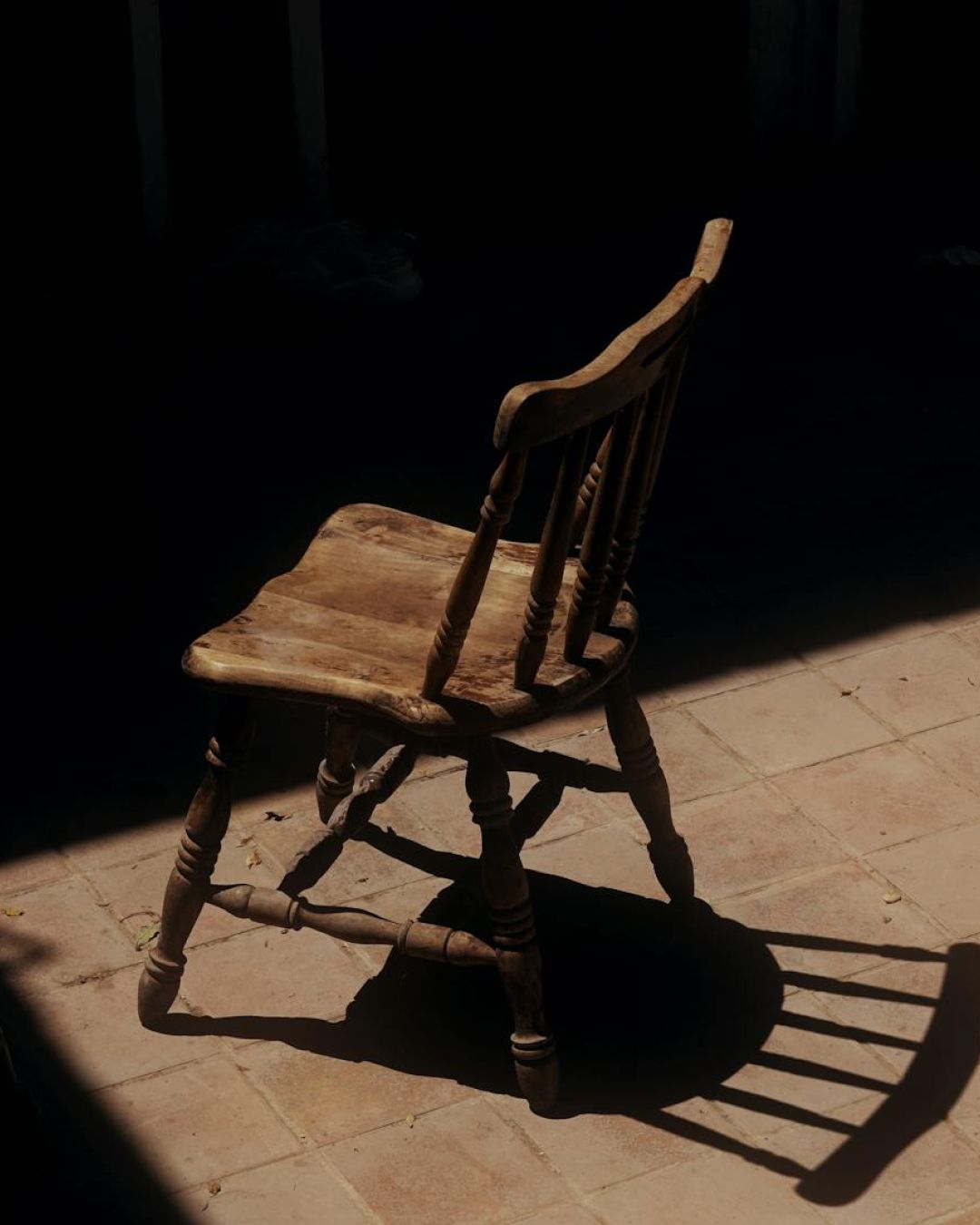
- Antiquity: A Divine and Royal Privilege Inancient Egypt, only the pharaohs and the gods were entitled to a finely carved and ornate chair with a backrest. Everyone else had to make do with kneeling or sitting on rudimentary stools. Among the Greeks and Romans, the chair became a symbol of power: the Roman curule chair, for example, was reserved for magistrates and military leaders. It was not merely a piece of furniture, but a social throne.
- The Middle Ages: Seating as a Social Marker Inlarge lordly halls, everyone sat on benches or stools, except for the lord, who sat enthroned on an imposing carved wooden chair, sometimes equipped with armrests and cushions to signify his superiority. At that time, owning one’s own chair was a luxury reserved for the powerful. More than ever, the chair reflected the hierarchical order: the higher one’s social standing, the higher and more elaborately crafted the seat.
- The Renaissance and the Emergence of Comfort: Ascraftsmanship and styles evolved, chairs began to feature more elaborately designed backs, cushions, and even armrests. Furniture became a symbol of refinement, and each country established its own style: the Louis XIV chair, a symbol of majesty, stood alongside the elegant 18th-century bergère chairs. It was during this period that the concept of individual comfort began to emerge.
- Japan and Asia: A Different Approach to Seating Unlikein the West, where chairs are ubiquitous, Asian cultures have long favored a posture close to the ground. Tatami mats, zabuton cushions, and low tables allow for upright sitting, which engages the back muscles and encourages a more natural posture. Far from being trivial, this way of sitting is rooted in a philosophy of balance and respect for space.
- The 20th Century: Design for Everyday Life Withthe industrialization and modernization of furniture, the chair became accessible to everyone and evolved into a design object. Charles and Ray Eames, Le Corbusier, Marcel Breuer: these designers created chairs that were both aesthetically pleasing and functional, making beauty accessible in our homes. Plastic and metal gradually replaced solid wood, giving rise to chairs that were as lightweight as they were stylish.
Tell me where you sit, and I'll tell you who you are
How and why do we sit today, and what does that reveal about our lifestyle?

- Sitting at Work: A Recent RevolutionFora long time, most jobs were performed while standing: artisans, shopkeepers, farmers. The rise of office work and a sedentary lifestyle is changing the way we hold our bodies. Today, we spend an average of 9 hours a day sitting, often in positions that aren’t very ergonomic, which leads to muscle tension and fatigue. The office chair has thus become a public health issue.
- The Art of Sitting at a CaféParisianoutdoor cafésare iconic: rows of chairs facing the street, not for conversation, but for people-watching. This layout speaks volumes about our relationship with the city and social interaction. A simple café chair becomes a vantage point for observing everyday life.
- Coworking and Flexibility: Goodbye tothe fixed office chair—hello to modular spaces. Whether sitting on a sofa, a bar stool, or a hanging chair, the chair becomes nomadic, just like our ways of working. We shift between relaxed postures and heightened concentration, constantly redefining the way we sit.
The Seating of Tomorrow: Between Movement and Balance
In response to the challenges posed by a sedentary lifestyle, the chair continues to evolve.
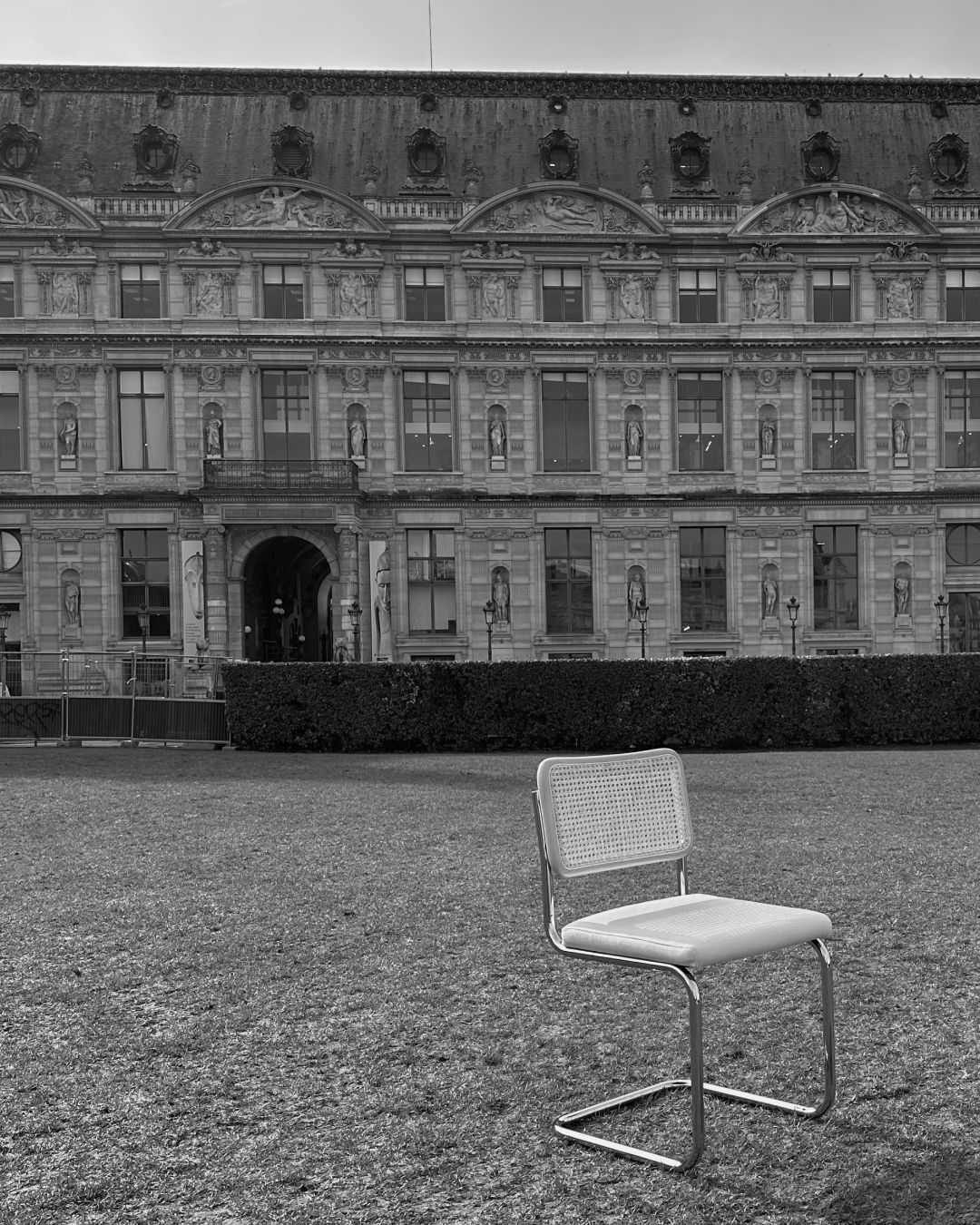
- A Return to Natural Materials: Solid wood, linen, wool… Furniture is becoming more streamlined, returning to timeless lines and prioritizing sustainable materials. The trend is toward minimalism, simplicity, and the warmth of natural textures.
- Dynamic Seating:Rocking stools, ergonomic chairs, sitting balls—everything is designed to encourage movement and prevent back pain. The idea? Never stay completely still.
- Learning to Sit Properly Again Ultimately, the question isn’t just “what to sit on?” but “how?” Changing positions regularly, getting up frequently, adjusting your posture… These are all simple steps to help you live your daily life better.
From the royal throne to the contemporary armchair, from Japanese tatami mats to park benches, the way we sit reflects the lifestyles and values inherent in an entire society. So, the next time you take a seat, keep in mind that a chair is never just an object: it is an invitation, a territory, a stance toward the world. Seated, but never still.