


What kind of comforter should you choose?
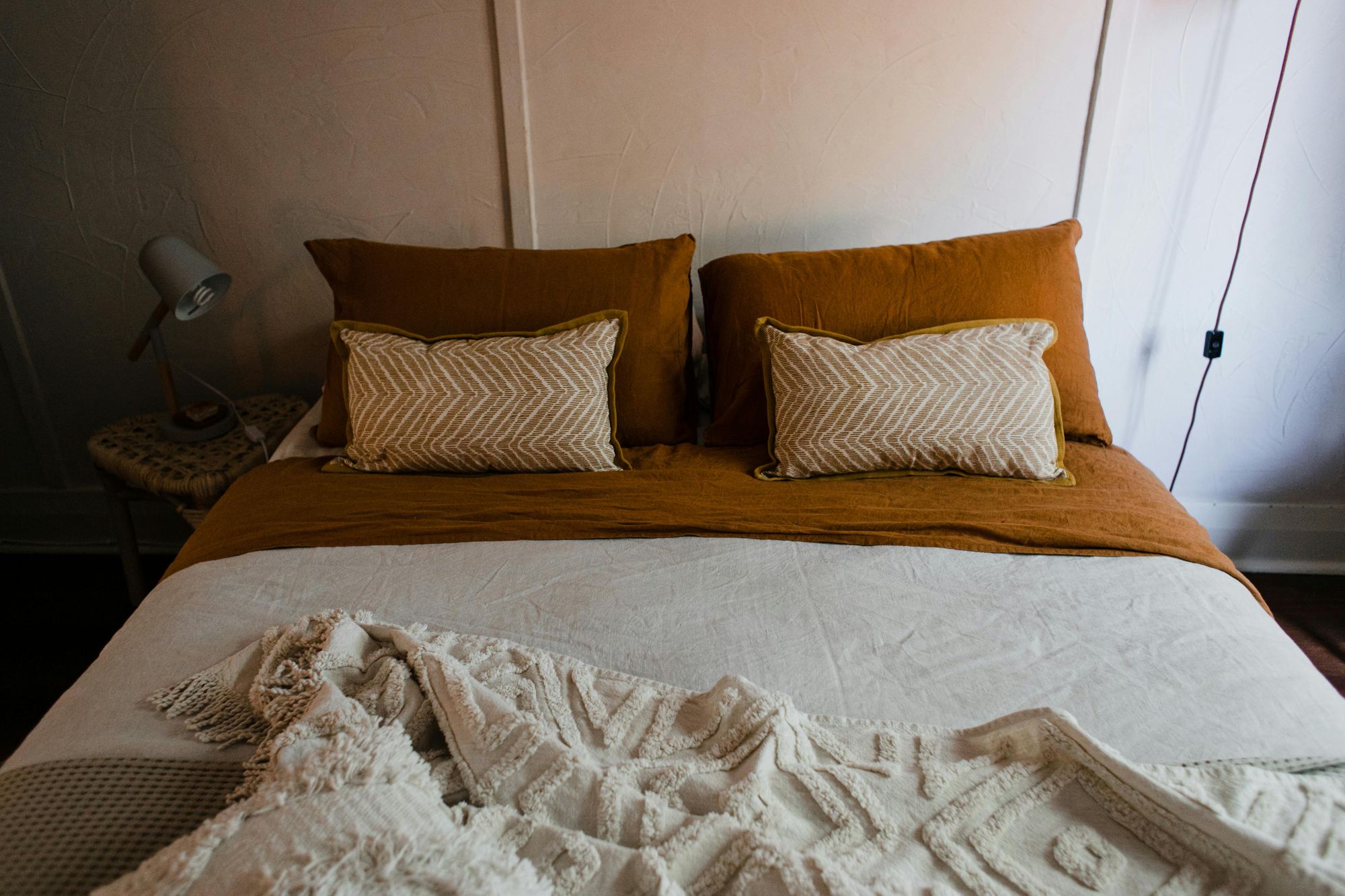
Along with the comforter, blanket, duvet cover, and throw, the quilt is one of the main bedding accessories. Used to enhance sleeping comfort, it also serves as a decorative element. As such, it must have features that ensure both comfort and the desired aesthetic effect. To combine these two qualities, you need to know how to choose the right quilt. Several criteria can help with this decision , namely the size of the item and the material it’s made of.
In this case, the material is a key factor, since the comfort provided by the comforter and its appearance depend on it. It is therefore important to choose the material for your comforter with the utmost care. Let’s find out how to go about it and which material to choose.
How do you choose the material for your comforter?
Taking into account both the material's specific characteristics and the user's preferences and needs, there are several factors that can help in choosing the material for a comforter.
The characteristics and qualities of the material
When choosing the material for your comforter, you should consider its characteristics, starting with:
- its appearance;
- its origin;
- its longevity;
- its thermal properties;
- how soft it feels against the skin;
- his interview;
- etc.
The user's compatibility with the material
Given the risk of allergies from contact with certain materials or from inhaling the odors they give off, it is important to take care not to expose yourself to allergenic substances, whether they are natural, artificial, or synthetic.
Preferences
A user’s tastes and preferences can play a role in choosing a material for their comforter. While these are subjective and not universal, they can still help in selecting the right material, particularly from an aesthetic standpoint.
What are the different options?
A comforter consists of two parts: the filling and the cover. The filling is the main component of the comforter and refers to the primary material used to make it. As for the cover, it is the part that encloses the filling and provides the duvet’s outer layer. Choosing a material for your duvet therefore involves selecting both the filling material and the cover material. There are various options available for this purpose.
The material used for the filling
When it comes to the filling for a comforter, you can choose between two types of materials: natural materials and synthetic materials.
The Pen
Duck and goose feathers are materials commonly used in the textile and bedding industries for the filling of all kinds of products, including comforters. In the manufacture of comforters, they are used for their excellent thermal insulation properties. They can serve as the sole filling material for a comforter, or they can be combined with other materials, such as down.
However, the comfort provided by the comforter depends on the amount of feathers used. For example, a comforter filled entirely with feathers will be firm and provide good insulation. Nevertheless, it is recommended to choose a comforter made up of 30% feathers and 70% down to ensure it is lightweight, voluminous, supple, and soft.
Down
Down, the fine feathers from the bellies of ducks and geese or plucked from under the birds’ wings, is the essential material for filling a comforter. Soft, cozy, silky, and much lighter than feathers, it offers excellent insulating properties. It therefore ensures a warm and plush comforter year-round.
In addition, it gives this bedding item more loft. To enjoy a higher-quality comforter, you should therefore choose a model made of at least 70% down.
Flaked foam
Flaked foam is a synthetic material made from high-resilience polyurethane foam chips and polyether. Used to fill comforters, decorative cushions, and pillows, it is also used as filling for duvets. Its purpose is to give the duvet volume and softness .
The material of the envelope
A comforter cover is made from fabrics produced using natural, artificial, or synthetic materials.
The cotton envelope
Cotton is one of the best fabrics for making clothing or bedding. As the most widely used natural fiber, it makes bedding exceptionally comfortable and soft to the touch. Combined with the thermal properties of the filling, cotton comforter fabric retains heat particularly well.
Cotton fabric comes in several varieties, depending on the weaving technique used. These include satin and velvet fabrics, which are particularly silky and soft to the touch. Some trendy duvet covers are made from this type of fabric, which is both soft to the touch and visually appealing.
The linen envelope
Linen duvet covers are made from linen, a sturdy plant-based material grown in temperate regions near the sea. They have excellent thermoregulatory properties and make the duvet very durable. In addition, they ensure the comforter is breathable and protect it from bacteria. However, the linen cover may cause itching during the first few days of use.
The Silk Envelope
Silk duvet covers are made from silk, a natural protein fiber spun by silkworms or certain spiders. They are soft, supple, lightweight, and very pleasant to the touch. Because they are made from a natural material, they are pure and gentle on the skin—unless you have an allergy to the material.
The polyester envelope
Polyester is a synthetic fiber with high absorbency and thermal insulation properties. Duvet covers made from this material possess all of these characteristics. In addition, they are easy to care for. However, they are less comfortable, less pleasant to the touch and against the skin, and much less durable than covers made from natural materials.
The Bamboo Envelope
The bamboo cover is made from bamboo fiber. Thanks to this synthetic material, the comforter fabric is absorbent, hypoallergenic, and antibacterial. This type of cover is recommended for people with sensitive skin or allergies.
The flannel envelope
Flannel, made from cotton or wool, is a soft, fluffy fabric. With a flannel cover, the comforter feels soft to the touch and retains heat better.
So, which subject should I choose in the end?
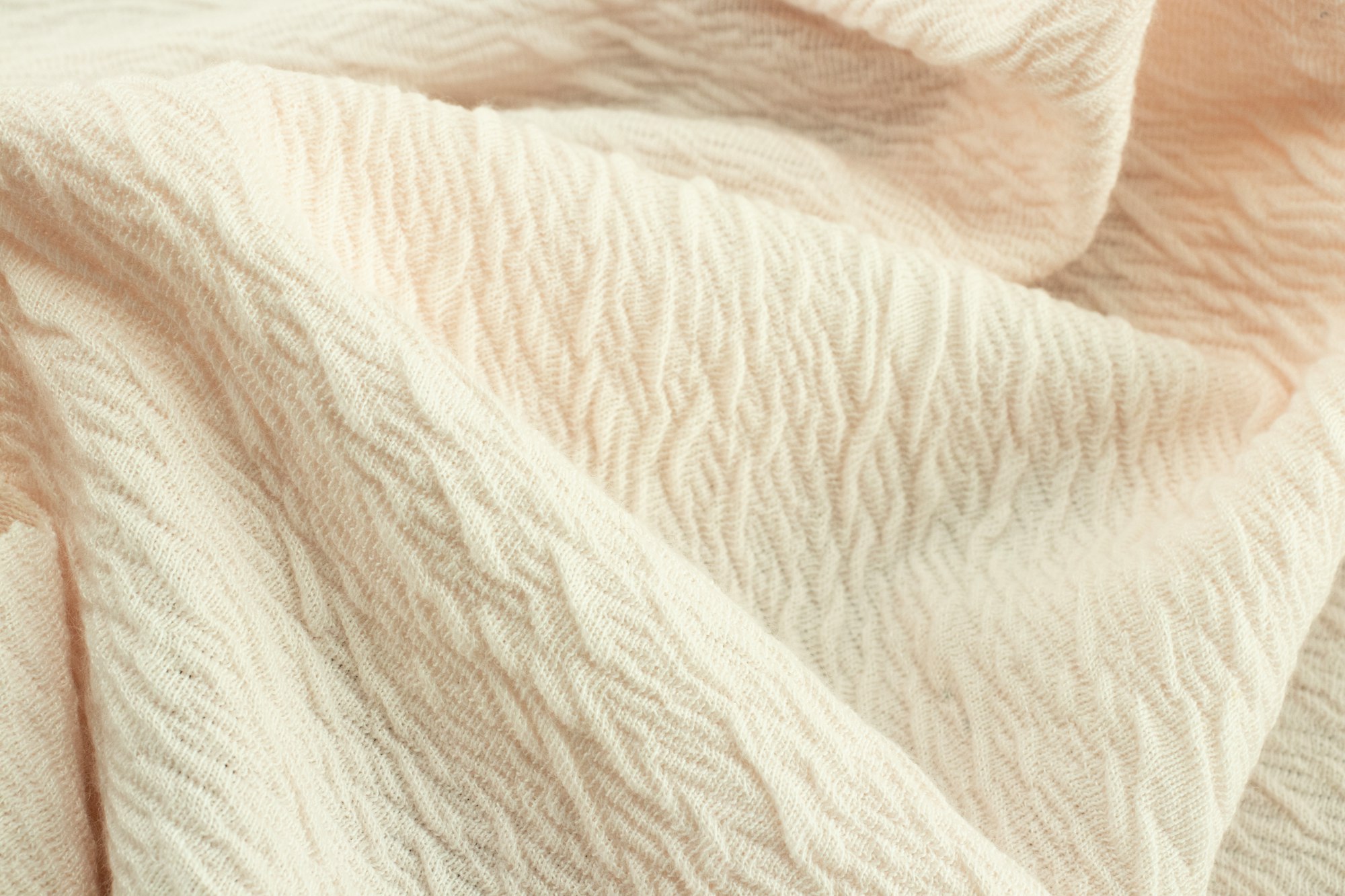
Between natural materials—which are comfortable, healthy, and have excellent thermal properties—and artificial or synthetic materials, which offer equally appealing qualities and characteristics, the choice can be difficult. Nevertheless, of all these options, natural materials are the best. In fact, with a comforter made entirely of natural materials—both in the filling and the cover—you’re guaranteed to enjoy a higher level of comfort, along with an attractive, decorative look. What’s more, you’re guaranteed a durable comforter with a lifespan that can exceed fifteen years of use.
However, if you want to choose comforters made from natural materials, you have to be prepared to pay a premium, as these models are generally the most expensive. They are still the best options in terms of value for money and safety.
As for comforters filled with synthetic materials, they are valued for their antibacterial and hypoallergenic properties—which are far superior to those of natural materials—as well as for their ease of care.
We recommend these other pages: