


Dust mites—tiny arachnids invisible to the naked eye—often hide in our beds, creating an environment that can trigger allergies and other discomforts. In this article, we’ll give you all the tips you need to keep these tiny arthropods out of your bed, for a healthier bedroom and a better night’s sleep.
Table of Contents
- What is a mite?
- Why do dust mites thrive in our beds?
- Risks Associated with Dust Mites
- How can you reduce dust mites in your bed?
- Treatments and solutions for getting rid of dust mites
- What are the signs that your bed is infested with dust mites?
What is a mite?
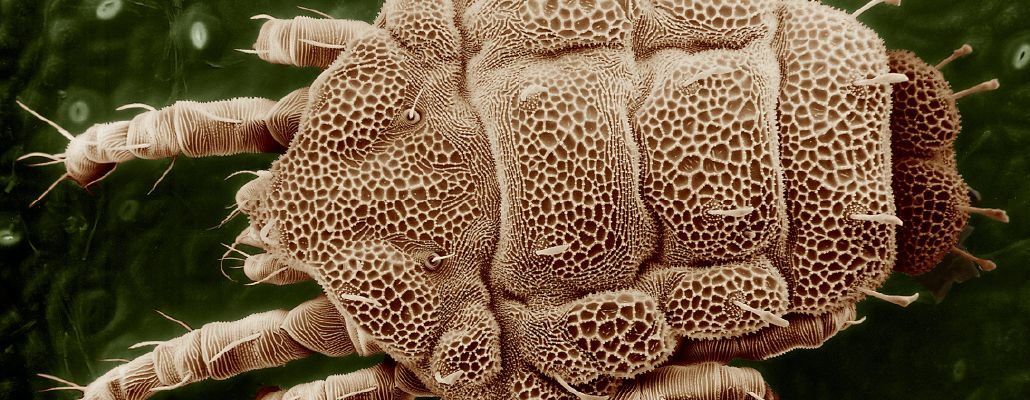
These tiny creatures belong to the arachnid family. There are more than 40,000 different types. These microorganisms thrive particularly in warm, humid environments and feed mainly on dead human and animal skin. Unlike bed bugs, dust mites do not bite, but they can cause allergic reactions in susceptible individuals.
Why do dust mites thrive in our beds?
Our beds provide the ideal environment for dust mites because of the heat, humidity, and dead skin cells. Having pets also increases the risk of dust mite infestations. Be aware that dust mites aren’t the only pests that thrive in our beds—the risk of bed bugs is just as significant.
Allergy Risks Associated with Dust Mites
Dust mites can cause many allergies. Symptoms include sneezing, itching, watery eyes, and breathing problems. Dust mite bites are rare but can cause skin reactions in some people. People with allergies may also experience symptoms of dust mite allergy, such as asthma attacks and skin rashes caused by dust mite droppings.
How can you prevent dust mites from getting into your mattress?
Practical Tips for Keeping Pests at Bay
- Air out your bedding daily: Open the windows and remove the comforter to let your sheets air out. This helps lower humidity and temperature, thereby reducing the ideal conditions for dust mites.
- Wash at a high temperature: Wash your bedding at 60°C to kill dust mites. Wash sheets, pillows, duvet covers, and all other bedding every two weeks.
- Regular vacuuming: Vacuum around the bed and on soft surfaces in the bedroom to remove dust.
- Reduce humidity: Use a dehumidifier to keep the humidity level below 50%.
- Keep Pets Out of the Bedroom: Limit your pets' access to the bedroom.
Choosing the Right Bedding
Choose breathable, natural bedding. Naturally dust-mite-resistant mattress covers and mattresses are smart choices for reducing the presence of these tiny creatures. We’ve put together a small selection of our favorite natural alternatives:
- Kipli Bedding: Woven from natural fibers and made in Europe, these products are not only naturally breathable but also help protect our planet.
- Kipli Latex Mattresses: The true stars of the Kipli lineup, these natural latex mattresses are naturally hypoallergenic and dust-mite resistant. The bonus? You’ll sleep like a baby on them.
- Kipli Mattress Protectors: The perfect solution when you don't need to replace all your bedding but want a natural, dust-mite-resistant option. They take care of you—and your bed.
What are the signs that your bed is infested with dust mites?
Recognizing the presence of dust mites in your bed can help you take steps to improve your comfort and health. Here are the main signs to look for:
- Frequent sneezing: If you sneeze often, especially in the morning.
- Runny or Stuffy Nose: A stuffy or runny nose as soon as you wake up.
- Itching: Around the eyes, nose, or throat.
- Red, watery eyes: The eyes may become red and watery.
- Respiratory problems: Difficulty breathing, nighttime cough, or worsening asthma.
- Skin rashes: Redness or irritation on the skin.
- Symptoms are more pronounced in the morning: Symptoms are often more pronounced upon waking.
- Pets: Having pets in the room can worsen symptoms.
If you notice several of these signs, it's likely that dust mites are present in your bed. Take the necessary steps to reduce their numbers and improve the quality of your sleep.
Treatments and solutions for getting rid of dust mites

If there is a significant infestation of dust mites, there are several options available to you:
- Baking soda: Sprinkle baking soda on your mattress and let it sit for several hours before vacuuming.
- Chemical methods: Use acaricides only as a last resort and with caution to minimize health risks. These products are toxic to living organisms, so you may be sensitive to them as well!
- Antihistamines: Consult your doctor about antihistamine treatment if you have a severe allergy.
For a restful night’s sleep and a healthy bedroom, it’s essential to control the dust mite population in your bed. By following our practical tips and choosing the right products, you can significantly reduce the presence of these pests. Don’t forget to air out your room, wash your linens regularly, and keep your bedroom dry. To learn more about choosing bedding and bedroom accessories, check out our detailed articles:
By following these tips, you can say goodbye to dust mites and enjoy a cleaner, healthier bedroom.