


In the face of the climate emergency, energy conservation is more than ever at the forefront of current events. In the wake of the conflict between Russia and Ukraine, there is talk of a winter punctuated by power outages or blackouts. Given that, even under normal circumstances, many households struggle to heat their homes adequately, a collective effort is now essential for the common good and the environment. It’s important to note that this effort applies to both businesses and individuals.
While for many people the term “simplicity” evokes the idea of deprivation or restrictions, a paradigm shift is needed to transform it into a positive concept. We have always lived under the belief that only abundance is the path to happiness. This is not the case. Meeting our basic needs and building a more equitable society, with access to comfort for all, is all the more fulfilling.
To reduce your environmental impact, there are various steps you can take without having to completely change your lifestyle. Follow this guide!
When Current Events Force Us to Change Our Habits
That’s it—it’s time to take action. Concepts related to more mindful consumption have proliferated in recent years, but without any real impact. Degrowth, minimalism, energy efficiency—these are all very nice terms that, unfortunately, have resonated with few people. It took a conflict between Russia and Ukraine for us to truly realize that we cannot live in abundance without harmful consequences. This time, it’s different—it’s hitting our wallets hard, with an inflation rate of 6.6% recorded in August. Of course, this isn’t solely due to the war in Ukraine (the euro’s decline, fiscal stimulus), but everything has been turned upside down since the conflict began.
In addition, the supply of certain raw materials — which were already in short supply—is becoming increasingly difficult for all goods coming from Russia and Ukraine, such as natural gas, oil, coal, wheat, and corn. The energy sector has been hit the hardest. As a result, the government has called on businesses to reduce their energy consumption as much as possible. Power-shedding plans (occasional power outages to prevent the grid from becoming overloaded) are in place. Various measures are being taken to prevent a blackout this winter.
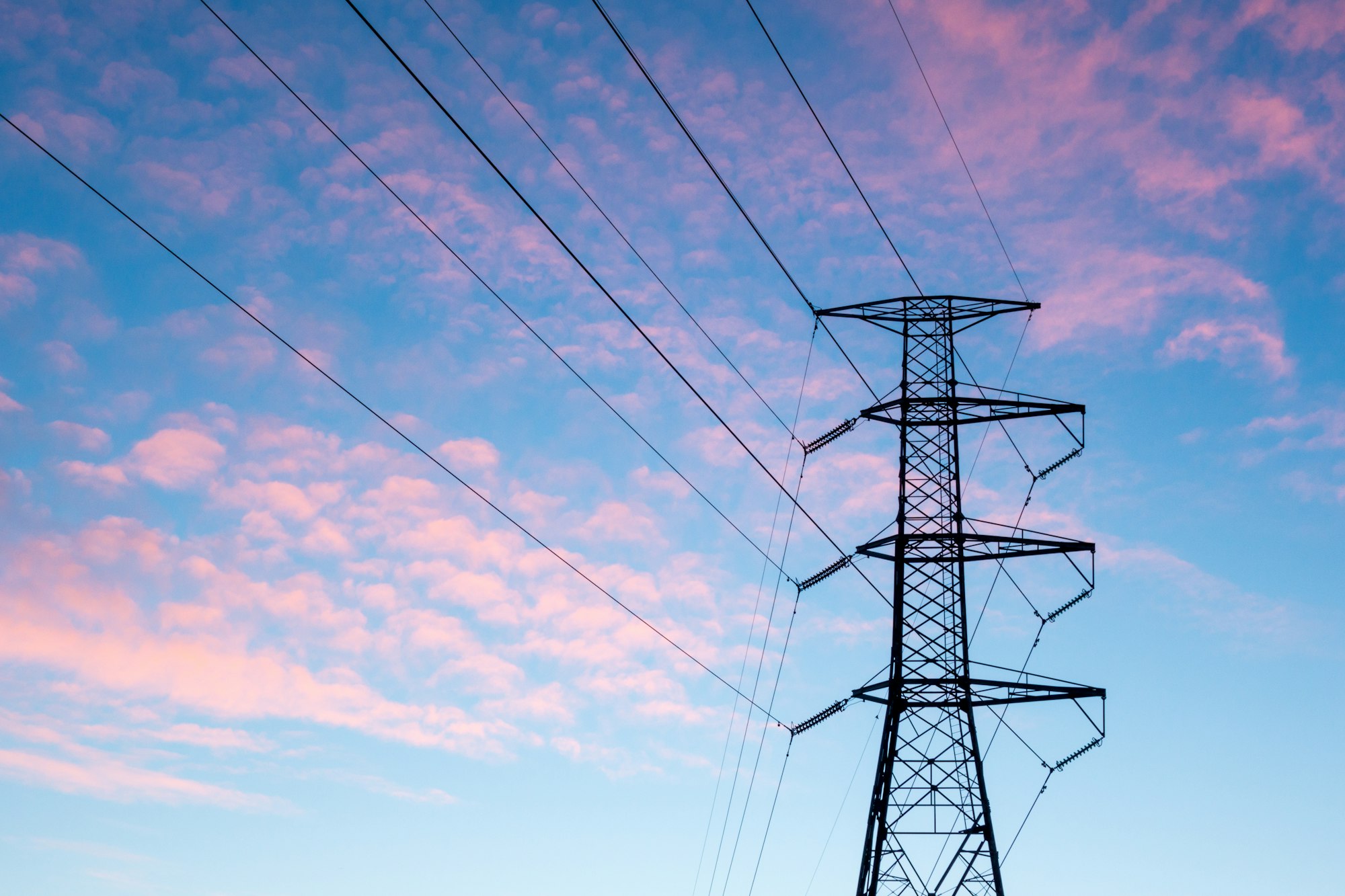
As a result, tensions are rising, and we are seeing more than ever how interdependent European countries are.
The concept of simplicity is thus returning to the forefront of media coverage as a practical solution for more mindful consumption—a solution that is at once economical, environmentally friendly, and conducive to maintaining our comfort.
But beyond the energy crisis that threatens us, simplicity is above all a philosophy of life that involves focusing on what really matters so we no longer fall into the trap of overconsumption.
A paradigm shift to help us refocus on ourselves and take sustainable action to protect the environment. And there are many areas for improvement: food, transportation, energy… As many topics as there are opportunities for change.
The concept of “happy simplicity”: getting back to the basics
Taking action to protect the environment means rethinking our worldview. Concerns about dwindling resources and environmental degradation are prompting us to reevaluate our habits. Ecological or energy conservation thus becomes THE most effective solution for achieving tangible improvements in the medium and long term.
The government has formed working groups to develop an energy conservation plan aimed at reducing our energy consumption by 40% by 2050. Some companies have already implemented measures such as turning off signs at night or dimming the lights in stores.
But to ensure that this aspect of simplicity is not viewed negatively on an individual level, we must embrace the concept of “happy simplicity.” This means changing our way of life, highlighting those who act for the common good rather than those who promote highly polluting brands and products with very short lifespans.
To achieve this, several measures can be taken. First, we can bring craftsmanship back into fashion by offering high-quality products made from premium materials. We can support small local producers to ensure transparency and traceability of the materials used. Alternatively, buying secondhand is a solution that is becoming increasingly popular.
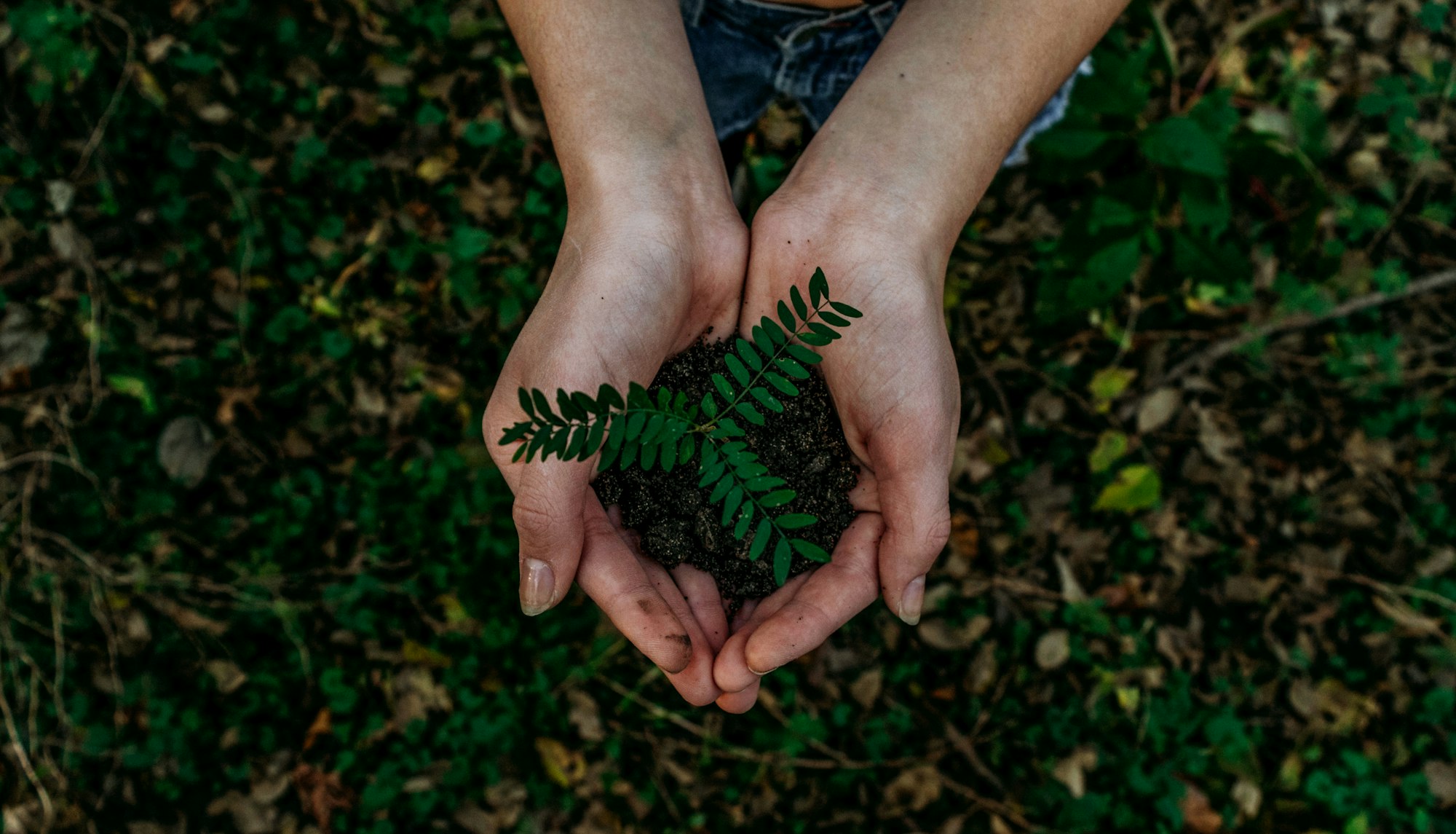
Make things last rather than replace them; planned obsolescence quickly renders our devices unusable. But it is possible to extend their lifespan by taking good care of them, or by repairing them if possible.
Choosing more eco-friendly modes of transportation, such as the train or a bicycle for short trips, also allows you to experience the journey in a different way. A celebration of slowness, to help you stay more grounded in the present moment.
And there are so many other steps we can take when it comes to food, energy, cosmetics, and more…
Happy simplicity is the accumulation of new habits that, on a societal scale, allows us to change mindsets and move toward an ethical and mindful approach to consumption. It is a virtuous cycle that leads us toward a more equitable and environmentally friendly world.